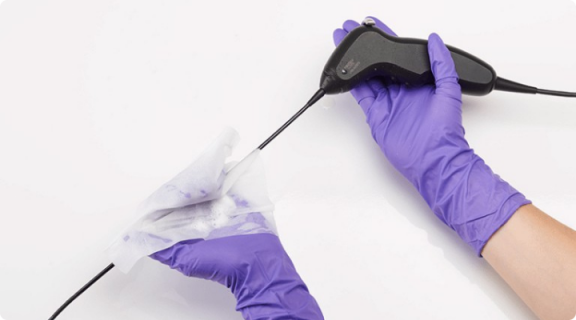
3rd August 2026 IPC In Practice Understanding Material Compatibility and Efficacy Validation: What You Should Know IPC in Practice In this article you’ll learn What is material compatibility? What is efficacy validation? What makes chemistry compatible with a medical device? The power of chlorine dioxide When […]
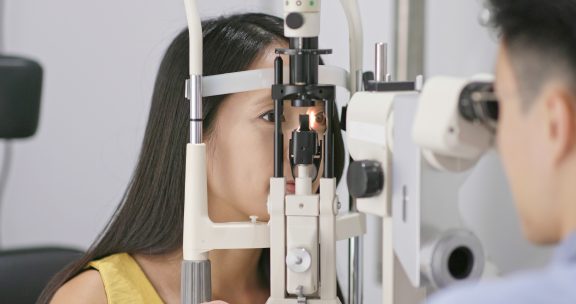
17th June 2026 IPC In Practice Keep Your Eyes on Ophthalmology Ophthalmic devices that touch the eye's mucous membranes carry infection risks including Acanthamoeba keratitis, adenoviral epidemic keratoconjunctivitis (which causes ~92% of acute epibulbar infections) and endophthalmitis; adenoviruses can survive up to 35 days on plastic surfaces. High-level disinfection under the Spaulding Classification, using broad-spectrum chlorine dioxide products like Tristel DUO OPH, is tested to EN 14885:2018 and EN 14476.
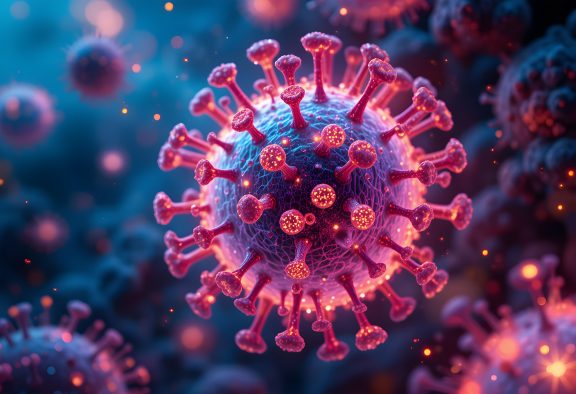
13th May 2026 Under the Microscope Under the Microscope: Hantavirus Hantaviruses are rare but potentially serious zoonotic viruses that can cause severe respiratory or renal disease. Although infections are uncommon, recent reports linking an outbreak in a cruise ship environment […]
13th January 2026 Under the Microscope Under the Microscope: Norovirus Norovirus is a highly contagious virus causing acute gastroenteritis (the "vomiting bug"), with symptoms appearing 12–48 hours after exposure and lasting 1–3 days. Fewer than 20 viral particles can cause infection, and it can survive up to two weeks on high-touch surfaces, longer in cool, dry conditions. Infected patients shed billions of particles and can remain contagious for at least two weeks after symptoms subside. Effective disinfectants must eliminate spores, bacteria and viruses to EN 14476.
10th December 2025 IPC In Practice Understand European Norms: What They Mean for Disinfection European Norms (ENs) are the standards that define disinfection efficacy in Europe's medical sector, requiring at least a 5-log reduction for vegetative bacteria and a 4-log reduction for bacterial spores, viruses, mycobacteria, fungi and yeasts. Sporicidal activity is tested to EN 17126 and EN 17846, and virucidal activity to EN 14476, EN 17111 and EN 16777. Which standards apply depends on the disinfection level required (low, intermediate, or high) for a given device and its clinical use.
24th September 2025 Navigating Chemistry Chlorine vs Chlorine Dioxide: What you Need to Know Navigating Chemistry Element Cl2 Chlorine vs Compound ClO2 Chlorine dioxide In this article you’ll learn What chlorine and chlorine dioxide have in common, and how they differ Why concentration (ppm) […]
4th August 2025 Under the Microscope Under the Microscope – Candidozyma auris Candidozyma auris (formerly known as Candida auris) is a rapidly emerging pathogenic yeast. Individuals who have recently stayed in nursing homes and have lines and tubes that go into their […]
22nd July 2025 IPC In Practice Understanding Sporicidal Claims: What You Should Know In UK healthcare settings, sporicidal claims matter most where bacterial endospores such as Clostridioides difficile pose an infection risk — a leading concern for NHS infection prevention and control teams. Under EN 14885, a product can only be credibly called sporicidal if it passes both EN 17126 (suspension test) and EN 17846 (surface wipe test, mandatory since May 2025). Quaternary ammonium compounds (QACs) cannot make this claim: their membrane-disruption mechanism has no effect on spores' resistant coats, per CDC guidance.
17th July 2025 IPC In Practice The Challenge of Biofilms in Healthcare In UK healthcare settings, biofilms are a persistent driver of healthcare-associated infections (HAIs) and multi-drug-resistant organisms (MDROs), with bacteria in a biofilm up to 1,000 times more resistant to antibiotics. Wet biofilms form in moist environments like device channels and water lines, typically involving gram-negative bacteria such as Pseudomonas aeruginosa, while dry biofilms develop on low-moisture surfaces and resist cleaning even more strongly. Testing to ASTM E2799 and E2871-22 shows Tristel's chlorine dioxide disinfectants achieve sporicidal disinfection against biofilms in as little as 30 seconds.
28th April 2025 IPC In Practice We’ve passed EN 17846! What is EN 17846 and why is it important? EN 17846 is a European Standard that specifies the test method and requirements for evaluating the sporicidal activity of chemical disinfectant […]
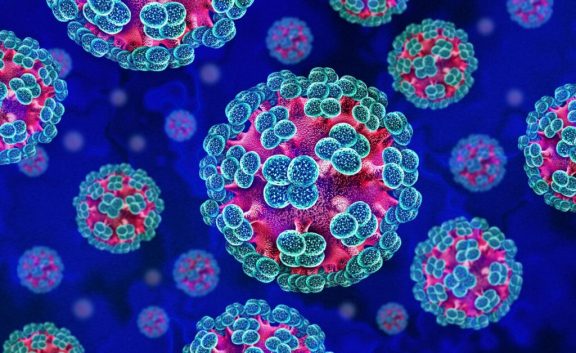
27th February 2025 Under the Microscope Under the Microscope: HPV Under the Microscope Pathogen profile HPV Human papillomavirus Type Small, non-enveloped DNA virus Types Over 200, grouped into high-risk and low-risk Found in Genital areas, and the mouth and throat […]
21st February 2025 IPC In Practice Webinar: Antimicrobial Resistance (AMR) Antimicrobial resistance (AMR) is a growing global threat, driven by the overuse of antibiotics and disinfectants. This webinar explores resistance mechanisms, cross-resistance risks, and the role of proactive disinfection. Gain […]
Subscribe Today & Keep Up-to-date Get the latest innovations, product updates, and expert insights delivered straight to your inbox!