
Infection prevention is not just about choosing the right product, it’s about understanding the European Norms (EN standards) that define what “effective” really means.
These internationally recognised benchmarks ensure that disinfectant solutions meet strict, proven criteria for performance, safety and reliability.
Here’s what we’ll cover.
Why microbial resistance matters
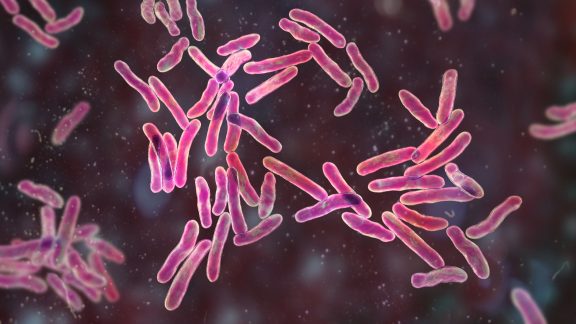
Microorganisms vary in how resistant they are to disinfection. For example, enveloped viruses like SARS-CoV-2 are relatively easy to kill. Bacterial spores, on the other hand, are extremely tough.
Here’s a simplified microbial hierarchy of resistance to disinfectants:
Least resistant
- Vegetative bacteria
- Fungi
- Non-enveloped viruses
- Mycobacteria
- Bacterial spores
Most resistant
However, resistance alone does not determine the required level of disinfection.
The clinical context, including the device’s intended use, the risk of infection, and the type of tissue it contacts, is equally important.
For instance:


This resistance spectrum helps guide disinfectant formulation and testing.
What are European Norms (ENs)?
To ensure disinfectants are effective in these varied contexts, they must meet minimum efficacy standards defined by European Norms (ENs).
These norms are standardised laboratory test methods used across European and international markets to measure how well disinfectants perform against specific microorganisms, such as bacteria, viruses, fungi, mycobacteria, and bacterial spores.
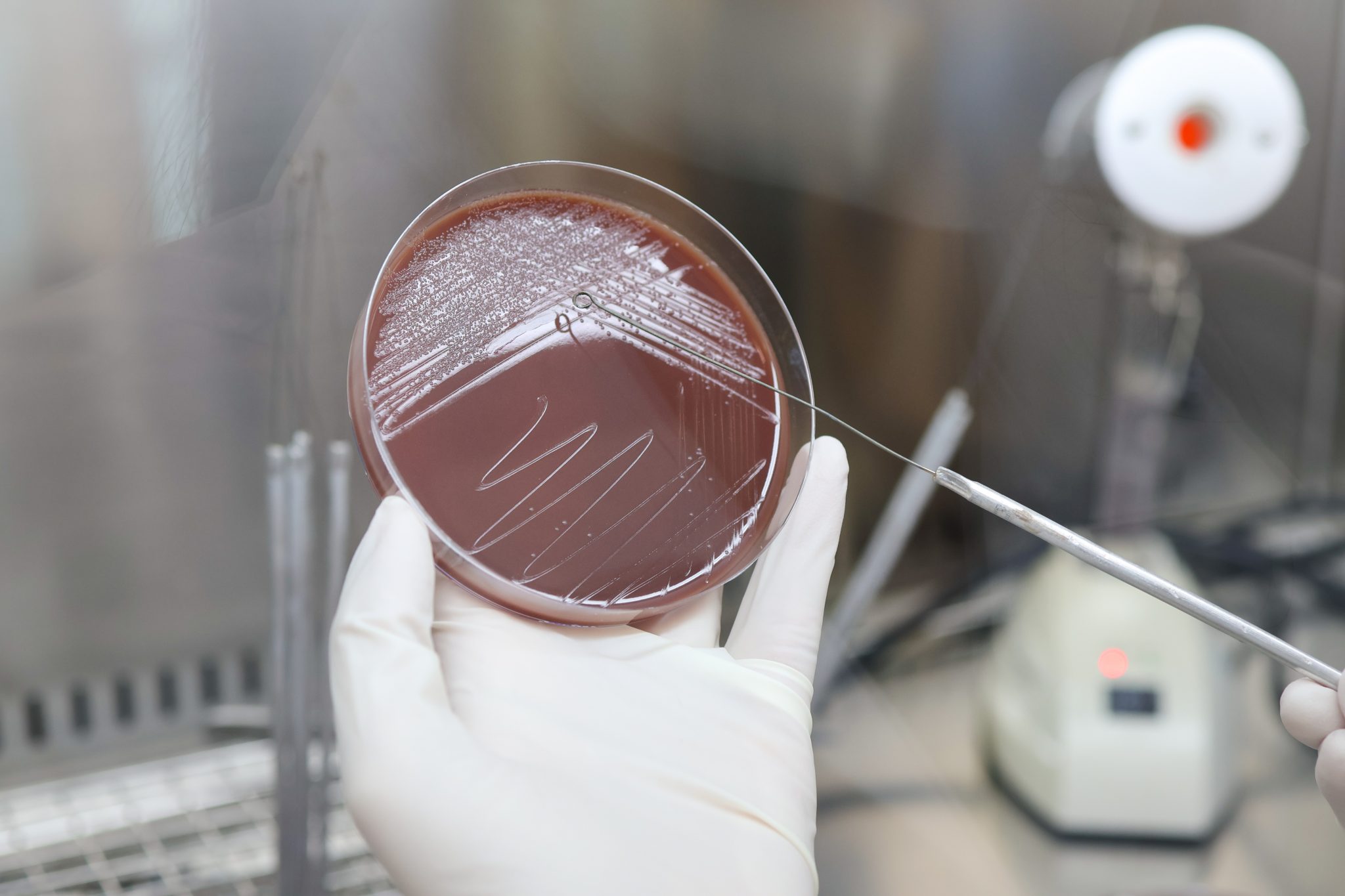
At Tristel, we align our products with these norms to ensure they meet the demands of real-world clinical practice. Here’s what you need to know.
ENs in practice
ENs provide standardised testing that balances chemistry, clinical context, and application method. They assess a disinfectant’s ability to kill bacteria, viruses, fungi, mycobacteria, and spores under controlled conditions that simulate real-world use, on surfaces, instruments or skin.
Good to know
ENs consider:

Where?
Where the disinfectant is used (e.g., medical/healthcare sector, food sector, industrial/pharmaceutical, domestic industries)

What for?
What type of disinfectant is being used (e.g., for surfaces, instruments, skin, air)

How applied?
How it is applied (e.g., immersion, spray, flooding, wipe/mop, fogging)

Which microbes?
Which microorganisms are tested to support the various biocidal efficacy claims, based on clinical relevance and representativeness.

Who’s protected?
Additional requirements for disinfectants used in patient-facing areas (e.g., safety for contact with staff, patients and visitors).
This layered approach ensures disinfectants are not only chemically powerful but also fit for purpose.
Minimum requirements for every disinfectant
All disinfectants placed on the market must meet minimum efficacy requirements, typically including bactericidal and yeasticidal activity.
How ENs are selected
Here’s a simplified example showing how ENs are selected based on how the disinfectant is applied in the medical sector. Every claim needs its core EN; depending on the application method, an additional EN may be needed too.
| Microbiocidal claim | Core ENalways required | Using mechanical actione.g. wiping/mopping | Without mechanical actione.g. spraying/flooding | Immersione.g. soaking |
|---|---|---|---|---|
| Bactericidal | EN 13727 | EN 16615 | EN 17387Assesses disinfectant performance when applied without mechanical action | EN 14561Simulates disinfectant efficacy on instruments submerged in solution |
| Virucidal | EN 14476 | No specific standard currently available. Claim is based solely on EN 14476. | EN 16777 | EN 17111 |
| Sporicidal | EN 17126 | EN 17846Simulates mechanical wiping action | No specific standard currently available. Claim is based solely on EN 17126. | |
The last three columns show the additional EN for each application method. On a phone, swipe the table sideways to see all columns.
ENs define acceptance criteria
Each EN not only specifies the microorganisms to be tested but also sets quantitative acceptance criteria for efficacy. In the medical sector, the standard requirement is:
≥5 log
reduction for vegetative bacteria
≥4 log
reduction for bacterial spores, viruses, mycobacteria, fungi, and yeasts
These thresholds ensure that products meet a consistent and clinically relevant level of performance before they can be marketed or used in healthcare environments.
Disinfection levels: a quick guide
Three levels of disinfection
The CDC defines three levels of disinfection:
1
Low-levelKills vegetative bacteria and enveloped viruses
2
Intermediate-levelKills mycobacteria, fungi and non-enveloped viruses
3
High-levelKills spores under controlled conditions
EN norms help validate these claims. For example:
EN 17126 and, when applicable, EN 17846 confirm sporicidal activity.
EN 14476 and, when applicable, EN 17111 or EN 16777 confirm virucidal activity.
When a product passes these tests, you know it works.
Why European Norms matter
EN norms are more than numbers. They’re the foundation of good practice. European Norms give healthcare professionals confidence that the disinfectant they’re using will do the job it claims to do.
At Tristel, we don’t just meet these standards. We build our products around them. Because when it comes to infection prevention, there’s no room for compromise.
Meet our disinfectants
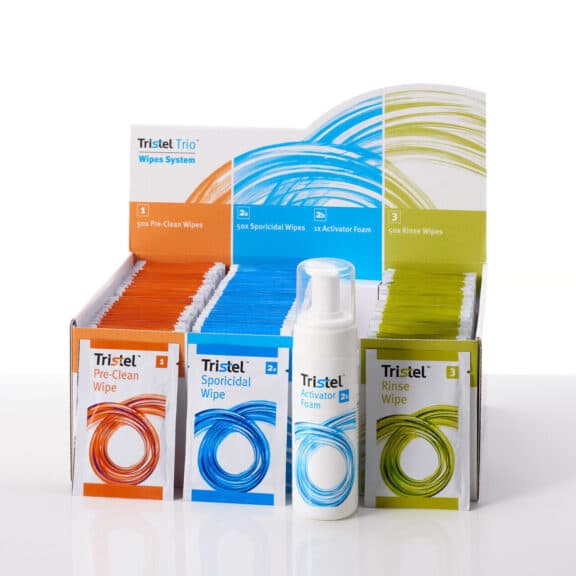 Medical devicesTristel Trio Wipes SystemView product
More for medical devices
References and further reading (2)
- Centers for Disease Control and Prevention (2008, updated May 2019). Guideline for Disinfection and Sterilization in Healthcare Facilities.
- European Committee for Standardization (2022). EN 14885:2022: Chemical disinfectants and antiseptics—Application of European standards for chemical disinfectants and antiseptics.