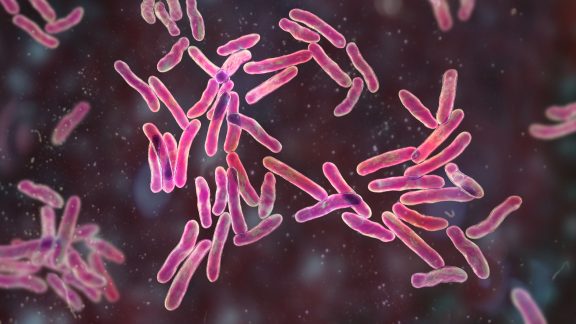



Norovirus is one of the most persistent and contagious viruses in healthcare environments. It can survive for weeks on high‑touch surfaces, spread with ease, and cause sudden outbreaks of vomiting and diarrhoea. With a very low infectious dose and high environmental stability, the virus remains a serious microbial threat that requires strict hygiene and effective disinfection to control.
Where Is Norovirus Found?
It is widespread in healthcare environments due to its incredible environmental resilience.
In fact, it can remain infectious for up to two weeks on high-touch surfaces such as bed rails, doorknobs, bathroom fixtures, and medical equipment. In cool, dry conditions, it can survive even longer still. As a result, this persistence makes routine cleaning insufficient unless effective disinfectants and protocols are used.1.
What Does Norovirus Cause?
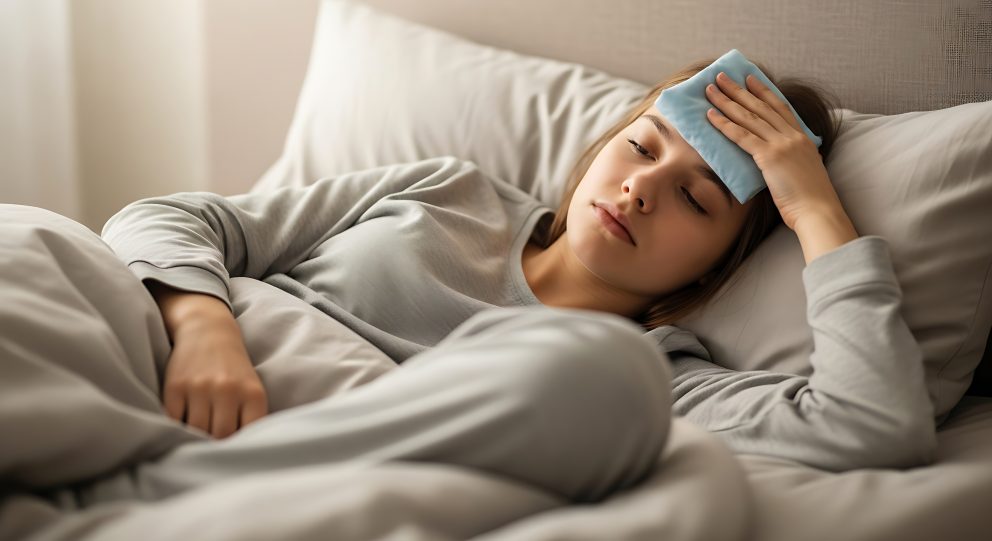
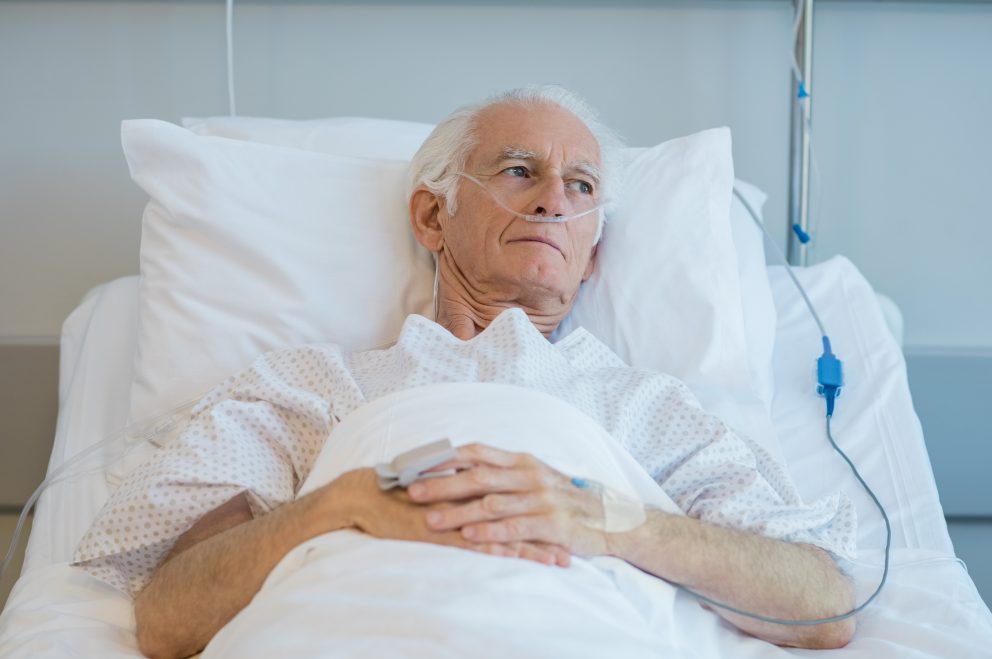
It causes acute viral gastroenteritis and results in hospitalisations and significant operational disruptions in healthcare facilities. It is sometimes called the “vomiting bug” or “stomach flu”. However, norovirus illness is not related to the flu. Instead, symptoms such as vomiting, diarrhoea, nausea, and cramps typically emerge 12–48 hours after exposure. In healthy individuals, they generally last just 1–3 days. Anyone can get infected with it. Vulnerable populations (elderly, young children, immunocompromised) can experience severe dehydration and complications2.
Why Is Norovirus a Microbial Threat?
- Low infectious dose – Fewer than 20 viral particles can cause infection3.
- High environmental stability – Resistant to many common disinfectants. It can survive freezing, heating up to 145°F (62.8°C), and days on surfaces4.
- High viral shedding – Patients can shed billions of particles through vomit and faeces. Shedding can continue for at least two weeks after symptoms subside3, 4.
How is Norovirus Transmitted?
Norovirus easily spreads by:
- Person-to-person contact – Direct contact with infected individuals, often in healthcare settings where hygiene lapses are possible.
- Eating food or drinking liquids contaminated with it.
- Contact with contaminated objects or surfaces – Indirect transmission via surfaces contaminated with Norovirus particles and putting your unwashed fingers in your mouth.
How Can You Defend Against Norovirus?
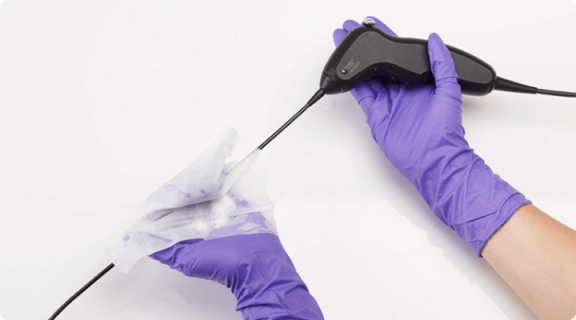
Proper disinfection is critical in preventing its transmission in healthcare settings.
The most effective disinfectants should:
- Eliminate bacterial spores, vegetative bacteria, mycobacteria, yeast, fungal spores, and viruses.
A disinfectant suitable for use against Norovirus should comply with EN 14476, demonstrating proven virucidal activity.
Other steps should also be taken to protect yourself and others:
- Wash your hands well and often.
- Cook shellfish thoroughly and wash fruits and vegetables.
- Routine cleaning and disinfection of surfaces, targeting high-touch exposed surfaces.
- Wash laundry in hot water.
- Stay home when sick for 2 days (48 hours) after symptoms stop.
References:
1 Clinic, C. (2019). How Long Do Norovirus Germs Live on Household (and Office) Surfaces? [online] Cleveland Clinic. Available at: https://health.clevelandclinic.org/how-long-do-norovirus-germs-live-on-household-and-office-surfaces.
2 Centers for Disease Control and Prevention (2024). Norovirus. [online] Centers for Disease Control and Prevention. Available at: https://www.cdc.gov/norovirus/about/index.html.
3 Winder, N., Gohar, S. and Muthana, M. (2022). Norovirus: An Overview of Virology and Preventative Measures. Viruses, 14(12), p.2811. doi:https://doi.org/10.3390/v14122811.
4 www.nps.gov. (2023). Norovirus (U.S. National Park Service). [online] Available at: https://www.nps.gov/articles/norovirus.htm.