
High-level disinfection (HLD) is a process that eliminates all vegetative bacteria, mycobacteria, enveloped and non-enveloped viruses, fungi and some bacterial spores.

What’s the difference between disinfection and sterilisation?
Required level of disinfection
Eliminates
Sterilisation
All forms of microbial life
High-level disinfection
Vegetative bacteria, mycobacteria, enveloped and non-enveloped viruses, fungi and some bacterial spores
Intermediate-level disinfection
Bacteria, mycobacteria, enveloped and non-enveloped viruses, and most fungi
Low-level disinfection
Bacteria, enveloped viruses and some fungi
When should you high-level disinfect?
The Spaulding Classification determines the appropriate level of disinfection (critical, semi-critical and non-critical) for reusable medical devices. The level of disinfection required will depend on the degree of risk of infection when the device is used.1

Critical
Level of contact
Contact with the bloodstream or sterile tissues.
Device application
Surgical instruments e.g. scalpels, tweezers, scissors, kidney dishes and clamps.
Sterilisation
Semi-critical
Level of contact
Contact with mucous membranes or non-intact skin.
Device application
Endoscopes and endocavity ultrasound probes.
High-Level Disinfection
Non-critical
Level of contact
Contact with intact skin.
Device application
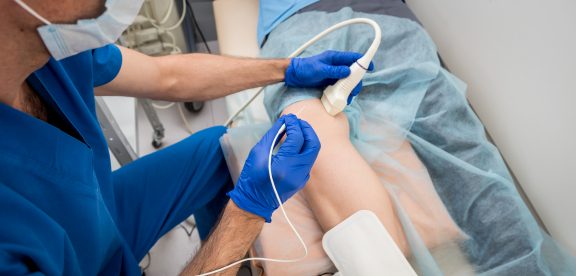
Skin-surface ultrasound probes
Intermediate-Level DisinfectionStethoscopes and blood pressure cuffs.
Low-Level DisinfectionAny device which comes into contact with blood from non-intact skin or mucous membranes (including non-critical devices used in interventional procedures) classifies, as a minimum, as a semi-critical device and ultimately requires high-level disinfection or sterilisation. Occasions where this would happen to a non-critical device include:
01
Ultrasound vascular access procedures (for central line or IV placement)
02
Biopsies
03
Assessments where there is compromised skin or an open wound
Why should you high-level disinfect?
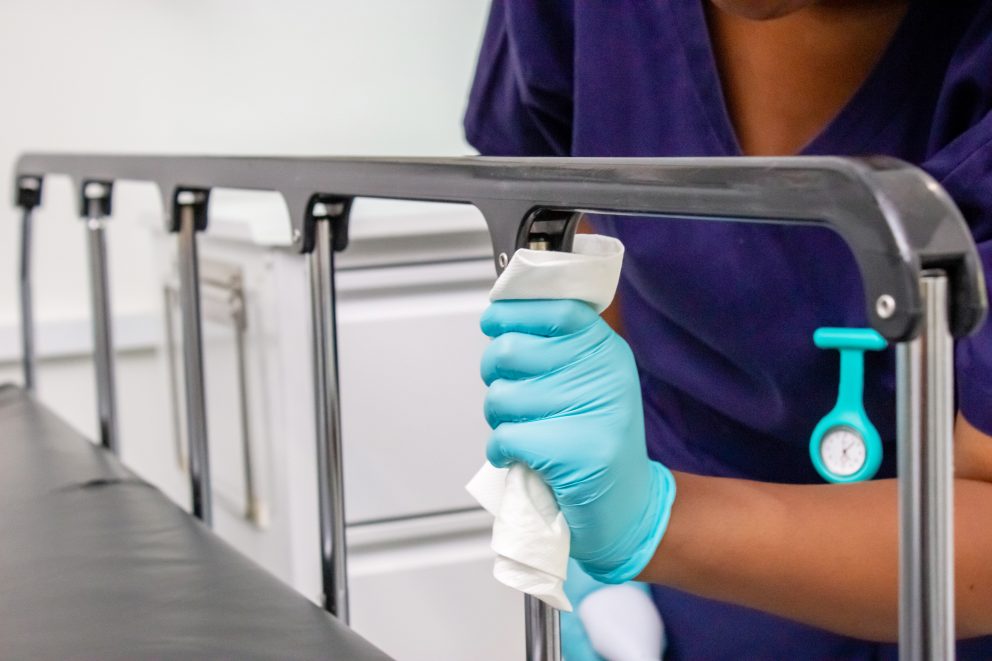
HLD is essential in healthcare settings to prevent healthcare-associated infections (HAIs) and combat antimicrobial resistance (AMR). HAIs can lead to serious illness, prolonged hospital stays and increased healthcare costs, often resulting from contaminated medical devices or surfaces.
HLD eliminates most pathogens, including resistant organisms, reducing the risk of transmission.
References
- CDC Infection Control (2008). A Rational Approach to Disinfection and Sterilization. [online] CDC Infection Control. Available at: https://www.cdc.gov/infection-control/hcp/disinfectionsterilization/rational-approach.html#toc