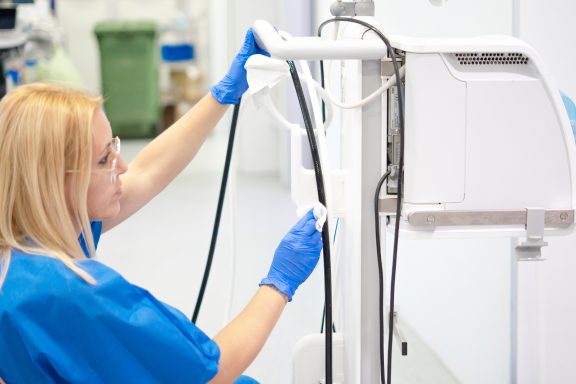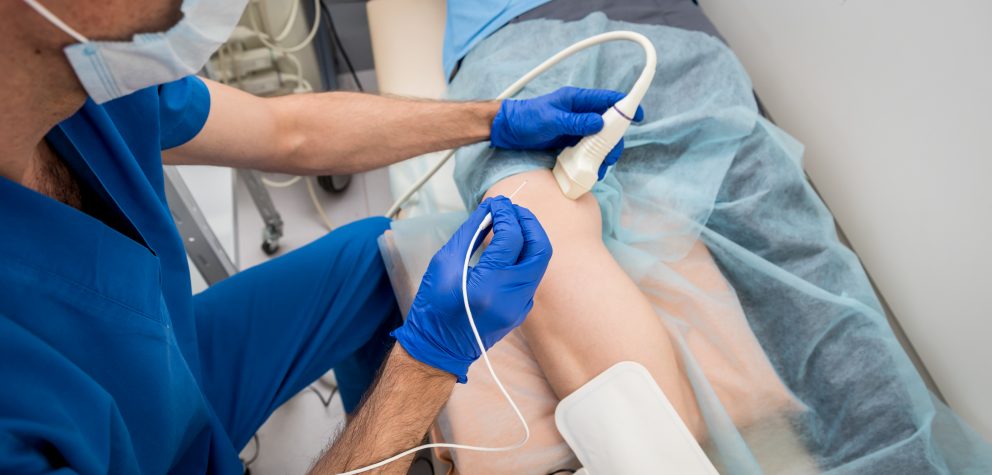


Healthcare-associated infections (HAIs) are described by the Australian Commission on Safety and Quality in Health Care as infections acquired in healthcare facilities, or that occur as a result of healthcare interventions1. They may not become evident until after a patient has left the facility, and they are among the most common complications affecting patients in Australian hospitals. HAIs pose a real threat to patients, staff and visitors across every healthcare setting.
What’s the real-world impact of HAIs?
 Increased financial burdens on healthcare systems
 Long-term disability and high mortality rates
 Longer hospital stays
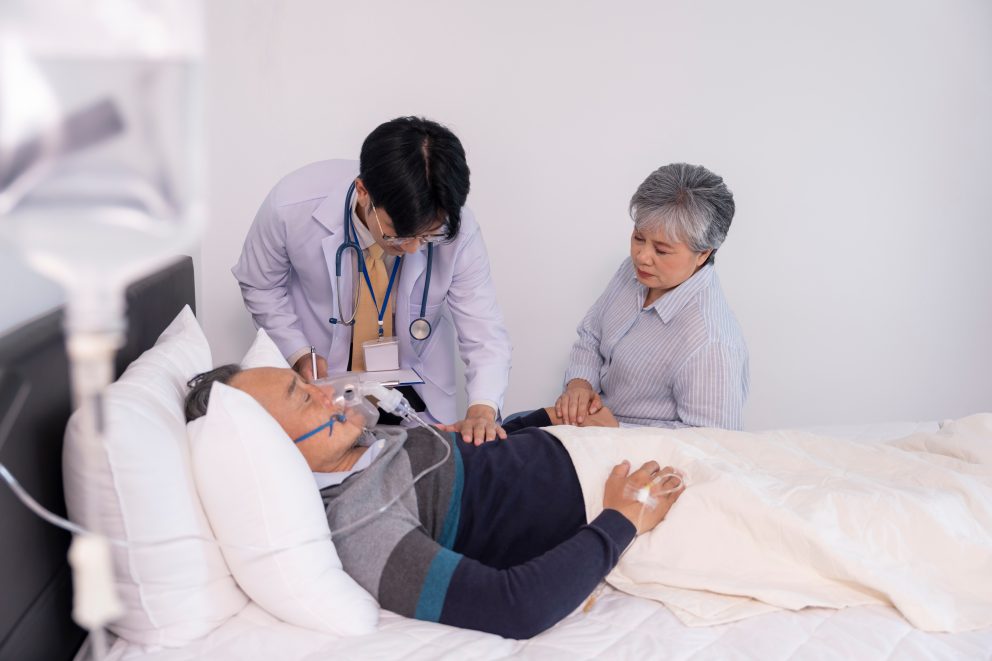 Significant impacts on patients and their families
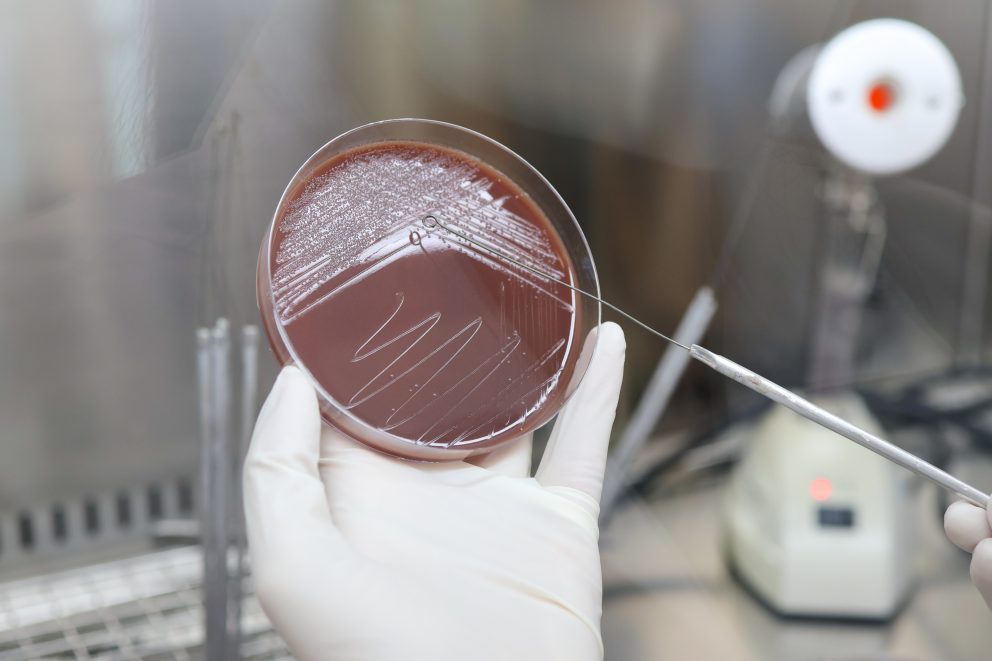 Increased resistance of microorganisms
What are the most common HAIs?
In Australian public hospitals, hospital-acquired pneumonia is the most frequent HAI, followed by surgical site infections and urinary tract infections.2 National surveillance and infection prevention priorities also focus on the following organisms and infections as significant threats to patient safety:
SABSI
Staphylococcus aureus bloodstream infections (MRSA and MSSA)
MRSA
Methicillin-resistant Staphylococcus aureus
C. difficile
Clostridioides difficile infection (CDI)
CLABSI
Central line-associated bloodstream infections
CPE
Carbapenemase-producing Enterobacterales
VRE
Vancomycin-resistant enterococci
An estimated 170,574 HAIs occur in adults admitted to Australian public hospitals each year, resulting in 7,583 deaths.2 At any one time, around 1 in 10 adult inpatients in large Australian public hospitals has an HAI.3
What causes HAIs?
How are HAIs transmitted?
Direct contact: Between patients and healthcare staff or contaminated surfaces.
Device-related: Through reusable medical devices such as endocavity ultrasound probes and endoscopes.
Faecal-oral: Particularly for infections like C. difficile.
Airborne: Especially in poorly ventilated areas.
What risks are associated with HAIs?

Increased morbidity and mortality
HAIs can cause serious complications such as sepsis and organ failure. In Australian public hospitals, bloodstream infections make up a small proportion of HAIs but account for the highest number of deaths, an estimated 3,207 each year.2
Prolonged hospitalisation
Patients with HAIs often require longer hospital stays, increasing their exposure to pathogens and placing further strain on hospital resources. An Australian multisite study found that resistance adds significantly to length of stay, with MRSA bloodstream infections adding an extra 2.9 days and third-generation cephalosporin-resistant Klebsiella pneumoniae bloodstream infections an extra 4.6 days.5
Antimicrobial resistance (AMR)
Infections caused by organisms such as MRSA, VRE and CPE are harder to treat due to the pathogen’s developed resistance, leading to more complex and prolonged treatment. In 2020, an estimated 1,031 deaths in Australia were associated with five resistant hospital-associated infections.6
Economic burden
Resistant HAIs alone carry a substantial cost. In 2020, five resistant hospital-associated infections were estimated to cost Australian hospitals around $72 million, with the cost of premature deaths estimated at a further $439 million.6
Bed occupancy
Every HAI ties up beds that could be used for new admissions. MRSA bloodstream infections alone were estimated to add around 12,800 hospital bed days a year in Australia, at an extra cost of more than $24 million.6
Preventing HAIs
Choosing the right disinfectant is critical when it comes to preventing HAIs. Many disinfectants have over-complicated and variable dilution rates, multiple contact times to follow, or do not meet the requirements for the correct level of disinfection. These issues can lead to improper disinfection, contributing to the spread of HAIs and resistant organisms.
When choosing your disinfectant, look for:

Sporicidal efficacy
Ensure your disinfectant is effective against bacterial spores. In Australia, sporicidal claims for disinfectants must be supported by specific testing under the TGA’s standard for disinfectants (TGO 104).7 An easy way to confirm this is that it has demonstrated efficacy to the EN 17126 and EN 17846 tests.

One dilution rate, one contact time
Avoid human error with a disinfectant that is effective at one dilution rate and one contact time, without the need for calculating the required concentration.

Guideline compliance
Check that your product is included on the Australian Register of Therapeutic Goods (ARTG) for its intended use, and compare how your disinfection protocol measures up against the NSQHS Preventing and Controlling Infections Standard, AS 5369:2023 and the Australian Guidelines for the Prevention and Control of Infection in Healthcare, from pre-cleaning to traceability.4,8

References and further reading (8)
- Australian Commission on Safety and Quality in Health Care. (n.d.). Hospital-acquired complication: Healthcare-associated infection [Detailed fact sheet]. Retrieved November 17, 2026, from safetyandquality.gov.au
- Lydeamore, M. J., Mitchell, B. G., Bucknall, T., Cheng, A. C., Russo, P. L., & Stewardson, A. J. (2022). Burden of five healthcare associated infections in Australia. Antimicrobial Resistance & Infection Control, 11, 69. https://doi.org/10.1186/s13756-022-01109-8
- Russo, P. L., Stewardson, A. J., Cheng, A. C., Bucknall, T., & Mitchell, B. G. (2019). The prevalence of healthcare associated infections among adult inpatients at nineteen large Australian acute-care public hospitals: a point prevalence survey. Antimicrobial Resistance & Infection Control, 8, 114. https://doi.org/10.1186/s13756-019-0570-y
- National Health and Medical Research Council. (2019). Australian Guidelines for the Prevention and Control of Infection in Healthcare. Canberra: NHMRC. nhmrc.gov.au
- Lee, X. J., Stewardson, A. J., Worth, L. J., Graves, N., & Wozniak, T. M. (2021). Attributable length of stay, mortality risk, and costs of bacterial health care–associated infections in Australia: a retrospective case-cohort study. Clinical Infectious Diseases. https://doi.org/10.1093/cid/ciaa1228
- Wozniak, T. M., Dyda, A., Merlo, G., & Hall, L. (2022). Disease burden, associated mortality and economic impact of antimicrobial resistant infections in Australia. The Lancet Regional Health – Western Pacific, 27, 100521. https://doi.org/10.1016/j.lanwpc.2022.100521
- Therapeutic Goods Administration. (2019). Therapeutic Goods (Standard for Disinfectants and Sanitary Products) (TGO 104) Order 2019. Federal Register of Legislation. legislation.gov.au
- Australian Commission on Safety and Quality in Health Care. (2024). Advisory AS24/01: National Safety and Quality Health Service Standards requirements for reprocessing of reusable medical devices in health service organisations. safetyandquality.gov.au