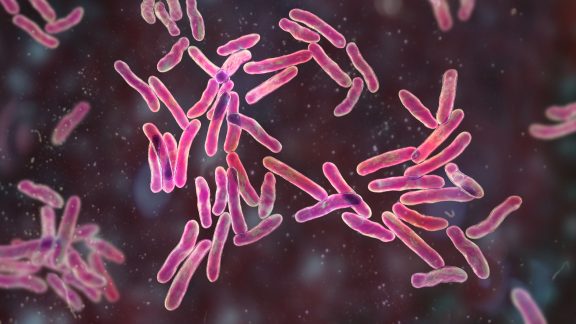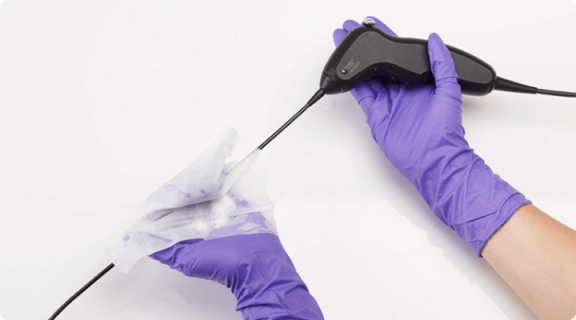


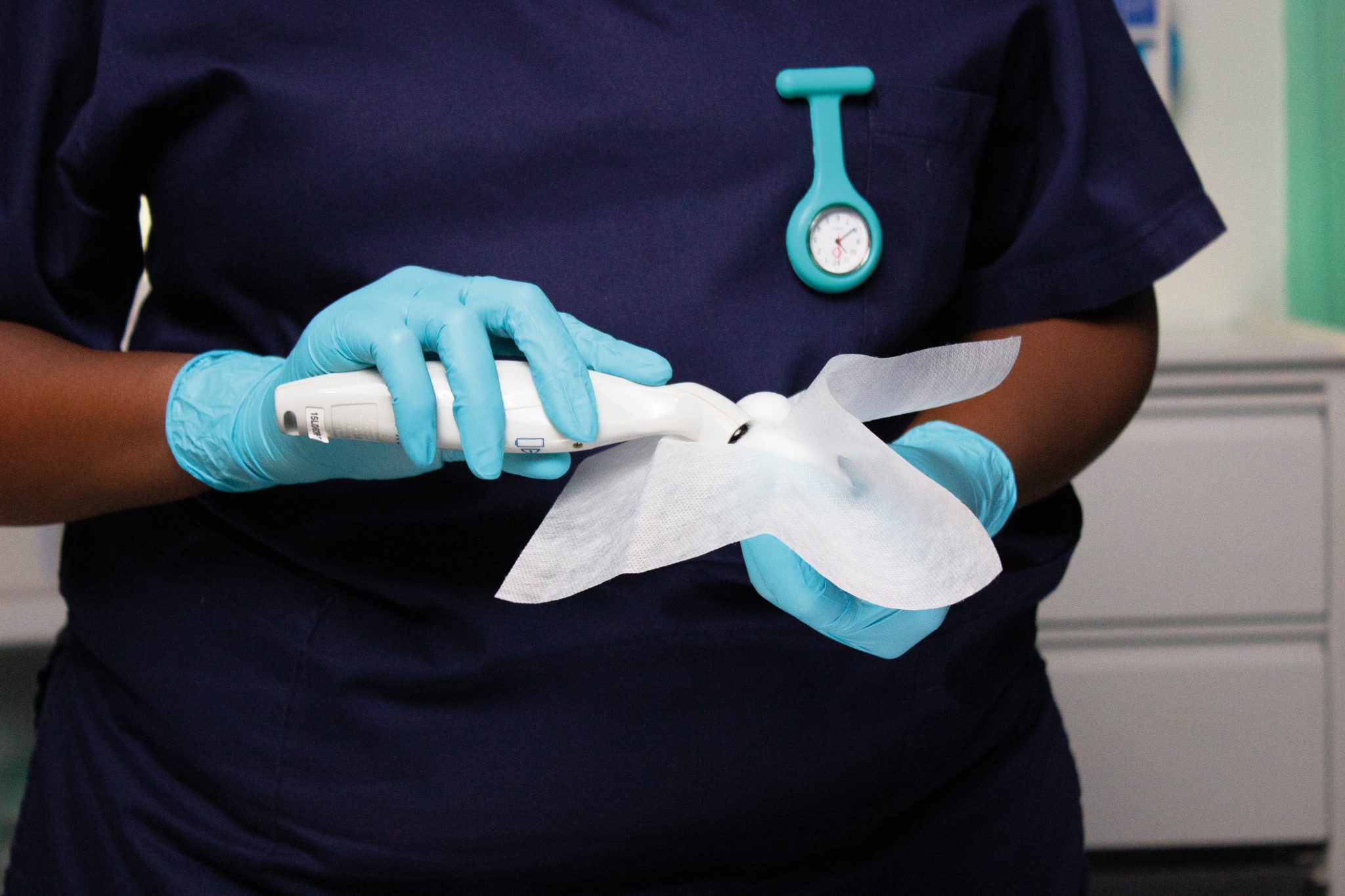
Among the many strategies to reduce healthcare-associated infections (HAIs), reprocessing of reusable medical devices plays a critical role. From endoscopes to ultrasound probes, staff must meticulously clean and disinfect these devices to prevent cross-contamination.
Regulatory Frameworks in the UK
Several key regulations guide medical device reprocessing in the UK, aiming to ensure patient safety and infection control.
- Health Technical Memorandum (HTM) 01-01 outlines the management of decontamination for cleaning and sterilising surgical instruments in acute care, and the (HTM) 01-06 outlines the management of cleaning and decontaminating flexible endoscopes. Both of which includes:
- Essential Quality Requirements (EQR): Minimum standards required by law.
- Best Practice: Voluntary improvements that go beyond compliance.
- The Health and Social Care Act 2008 mandates infection prevention across healthcare settings, with providers expected to follow the Code of Practice or demonstrate equivalent standards.
Together, these frameworks ensure that reprocessing is safe, consistent, and aligned with national infection control goals for the United Kingdom.
The Spaulding Classification
The Spaulding Classification provides a systematic approach for determining how staff should disinfect or sterilise reusable medical devices, based on whether the devices contact sterile tissue, mucous membranes, or intact skin, aiming to achieve the highest level of microbial elimination possible. Devices are classified as critical, semi-critical, or non-critical, guiding the minimum required level of microbial elimination needed.
This article focuses on heat-sensitive semi-critical medical devices, such as endocavity ultrasound probes and endoscopes, that come into contact with mucous membranes or non-intact skin, and the importance of high-level disinfection (HLD) in their safe reprocessing. These devices require more than basic cleaning to prevent infection, making HLD a vital step in ensuring patient safety and regulatory compliance.
Best Practices for High-Level Disinfection on Medical Devices
High-level disinfection eliminates all microorganisms except for high levels of bacterial spores. These are the key steps for HLD:
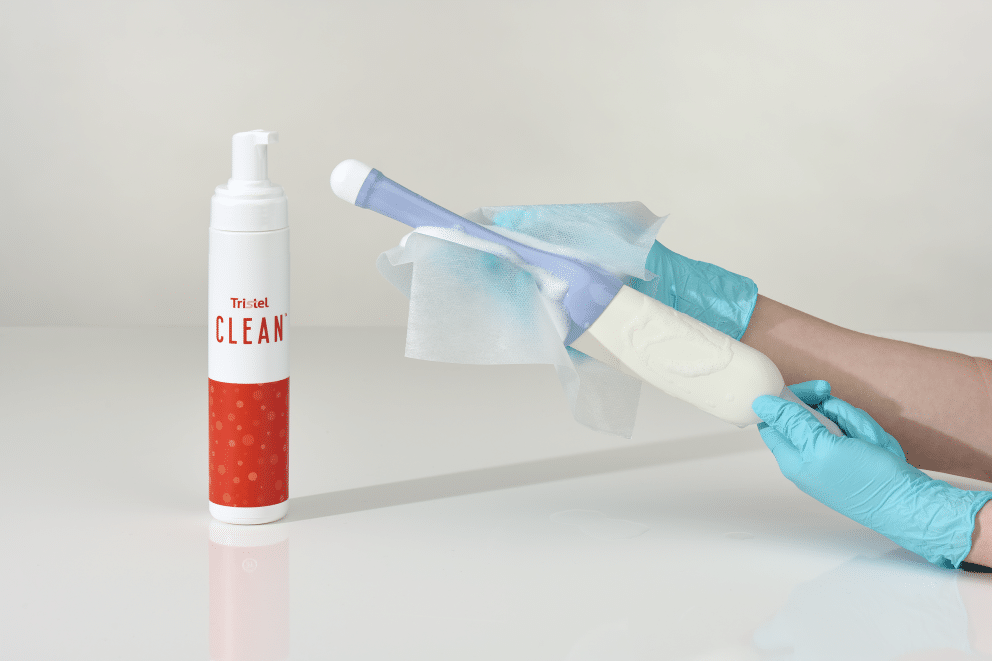
Cleaning
- The most critical step: If cleaning is done incorrectly, both disinfection and sterilisation can be compromised
- Removes visible soil and organic matter after use
- Use detergents approved by the medical device manufacturer
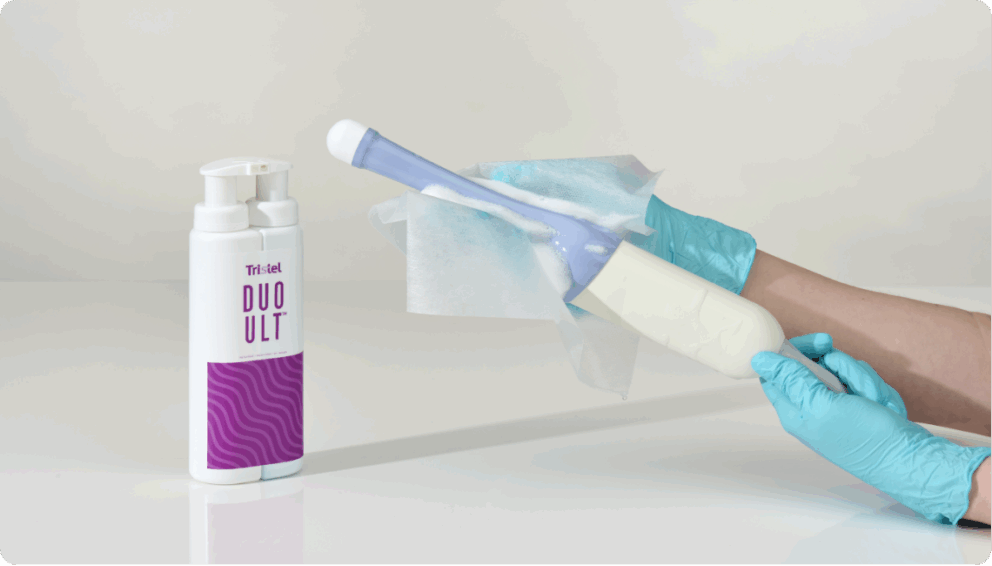
High-Level Disinfection
- Using validated disinfectants with the full spectrum of efficacy
- Follow disinfectant manufacturer instructions for concentration and exposure time
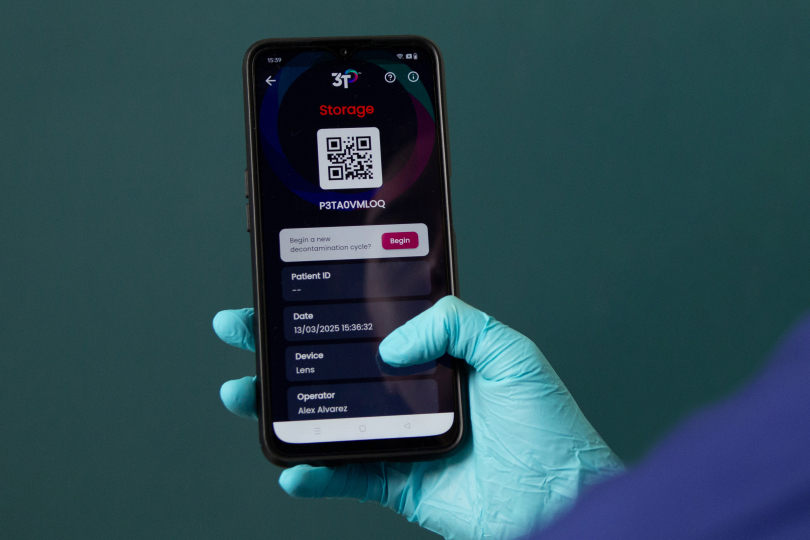
Documentation & Monitoring
- Maintain detailed logs of cleaning and disinfection
- Staff must be trained and competent in reprocessing procedures
Manual vs. Automated High-Level Disinfection
Manual High-Level Disinfection involves hands-on cleaning and disinfection by trained staff using validated chemical disinfectants, such as Tristel ClO2 chemistry.
Automated High-Level Disinfection uses machines to perform standardised disinfection cycles with minimal human intervention, such as UV-C machines.
Let’s take a look at the comparison in more detail:
| Aspect | Manual HLD | Automated HLD |
|---|---|---|
| Flexibility | Manual HLD is suitable for a wide range of devices, including delicate or complex ones, as it allows users to easily access ridges and indentations that automated HLD cannot reach | Limited to devices compatible with machine specifications |
| Visual Inspection | Allows direct assessment of cleanliness and damage | Requires manual pre-cleaning without visual checks during the cycle; some automated systems also require LLD wipes during the pre-clean step. |
| Cost | Lower initial investments, no capital expenditure and no costs for energy | Higher upfront costs, requiring maintenance, consumables and hidden costs for water and energy |
| Control | Staff can tailor the processes to different devices and situations | Standardised cycles with limited customisation |
| Traceability | Many require manual documentation, however, digital traceability options are increasingly available | Built-in logging and cycle validation |
Medical Devices Storage and Traceability
Storage and traceability are essential processes for maintaining the integrity of reprocessed medical devices.
Once high-level disinfection is complete, staff must store devices in a clean, dry, and protected environment to prevent recontamination. Facilities should clearly designate storage areas, separating clean and used instruments.
Traceability ensures accountability by linking each device to its reprocessing cycle and, where applicable, to the patient. This includes documenting the date, time, method, staff involved, and any chemical indicators used. Accurate digital or paper records support regulatory compliance, enable effective recall procedures, and reinforce quality assurance across the reprocessing workflow.
Effective reprocessing of semi-critical medical devices is key to preventing infection and protecting patients. High-level disinfection, when done with care and consistency, goes beyond compliance, it’s a commitment to safer, informed practice.

Ready to elevate your infection control strategy?
Talk to our team today, we’ll work with you to strengthen your infection prevention and control protocols and find solutions that fit your needs.