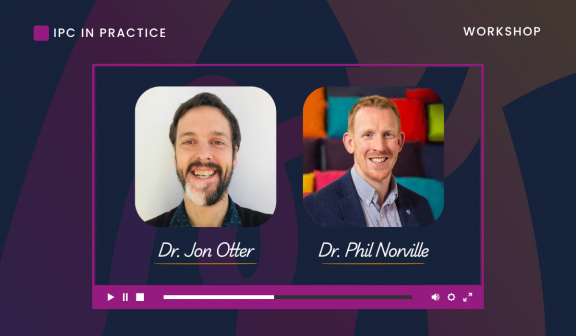
8th June 2026 IPC In Practice Workshop: Drains – Transmissions of infections and disinfection Catch up on our expert led session from IPC 2026 in Birmingham… Speakers: This workshop dives into:
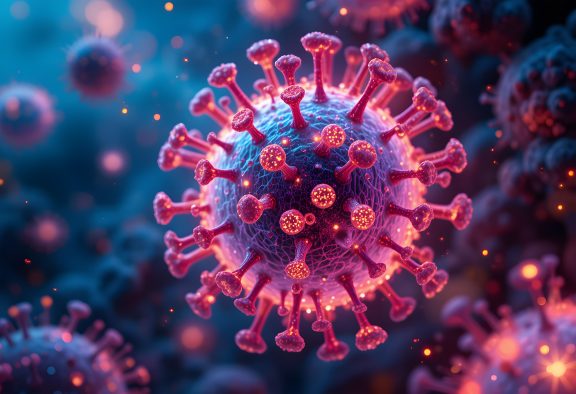
13th May 2026 Under the Microscope Under the Microscope: Hantavirus Hantaviruses are rare but potentially serious zoonotic viruses that can cause severe respiratory or renal disease. Although infections are uncommon, recent reports linking an outbreak in a cruise ship environment […]
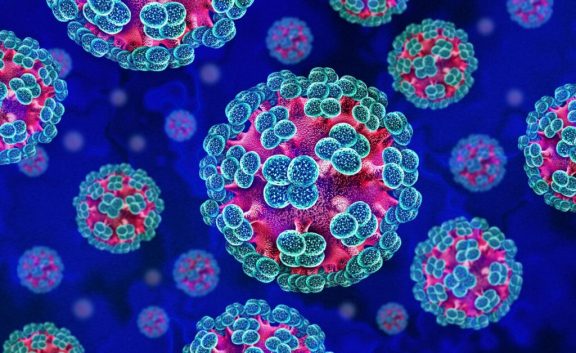
13th January 2026 Under the Microscope Under the Microscope: Norovirus Norovirus is a highly contagious virus causing acute gastroenteritis (the "vomiting bug"), with symptoms appearing 12–48 hours after exposure and lasting 1–3 days. Fewer than 20 viral particles can cause infection, and it can survive up to two weeks on high-touch surfaces, longer in cool, dry conditions. Infected patients shed billions of particles and can remain contagious for at least two weeks after symptoms subside. Effective disinfectants must eliminate spores, bacteria and viruses to EN 14476.
10th December 2025 IPC In Practice Understand European Norms: What They Mean for Disinfection European Norms (ENs) are the standards that define disinfection efficacy in Europe's medical sector, requiring at least a 5-log reduction for vegetative bacteria and a 4-log reduction for bacterial spores, viruses, mycobacteria, fungi and yeasts. Sporicidal activity is tested to EN 17126 and EN 17846, and virucidal activity to EN 14476, EN 17111 and EN 16777. Which standards apply depends on the disinfection level required (low, intermediate, or high) for a given device and its clinical use.
16th October 2025 Under the Microscope Under the Microscope – Clostridioides difficile Clostridioides difficile, formerly known as Clostridium difficile, is a spore-forming bacterium that causes mild to severe diarrhoea and intestinal conditions like colitis (colon inflammation). Where Can I Be Found? C. difficile […]
24th September 2025 Navigating Chemistry Chlorine vs Chlorine Dioxide: What you Need to Know Navigating Chemistry Element Cl2 Chlorine vs Compound ClO2 Chlorine dioxide In this article you’ll learn What chlorine and chlorine dioxide have in common, and how they differ Why concentration (ppm) […]
4th August 2025 Under the Microscope Under the Microscope – Candidozyma auris Candidozyma auris (formerly known as Candida auris) is a rapidly emerging pathogenic yeast. Individuals who have recently stayed in nursing homes and have lines and tubes that go into their […]
22nd July 2025 IPC In Practice Understanding Sporicidal Claims: What You Should Know In UK healthcare settings, sporicidal claims matter most where bacterial endospores such as Clostridioides difficile pose an infection risk — a leading concern for NHS infection prevention and control teams. Under EN 14885, a product can only be credibly called sporicidal if it passes both EN 17126 (suspension test) and EN 17846 (surface wipe test, mandatory since May 2025). Quaternary ammonium compounds (QACs) cannot make this claim: their membrane-disruption mechanism has no effect on spores' resistant coats, per CDC guidance.
Subscribe Today & Keep Up-to-date Get the latest innovations, product updates, and expert insights delivered straight to your inbox!