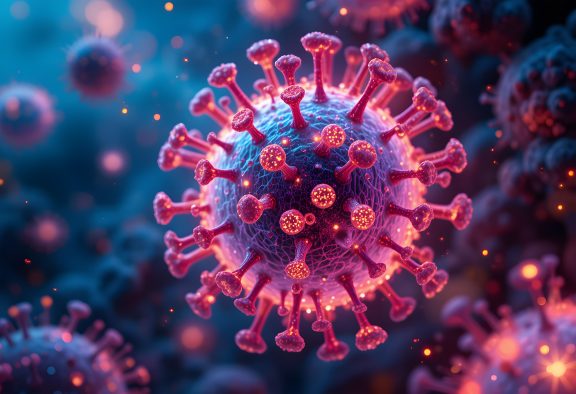


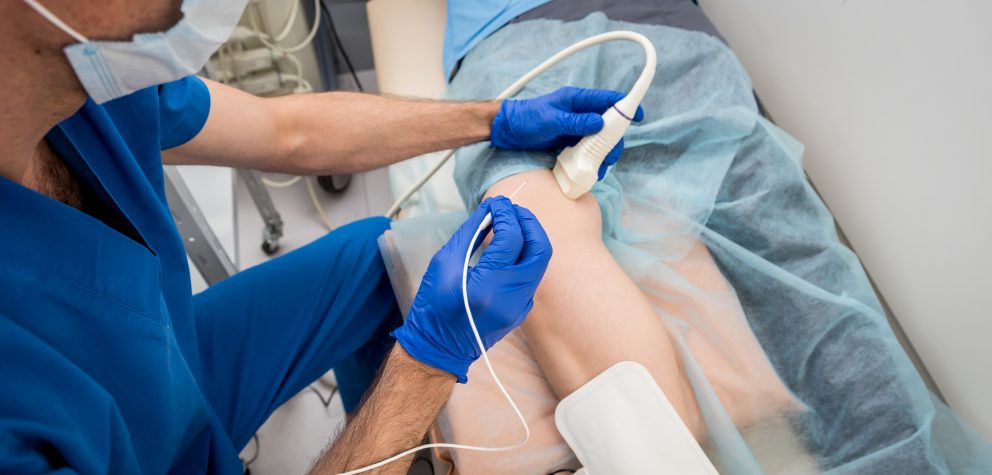
Healthcare Associated Infections (HAIs) are defined by the NHS as infections which are developed either as a result of healthcare interventions (e.g. medical or surgical treatments), or from being in contact with a healthcare setting1. HAIs pose a real threat to patients, staff and visitors in healthcare worldwide.
What’s the real-world impact of HAIs?

Increased financial burdens on healthcare systems

Long-term disability and high mortality rates

Longer hospital stays
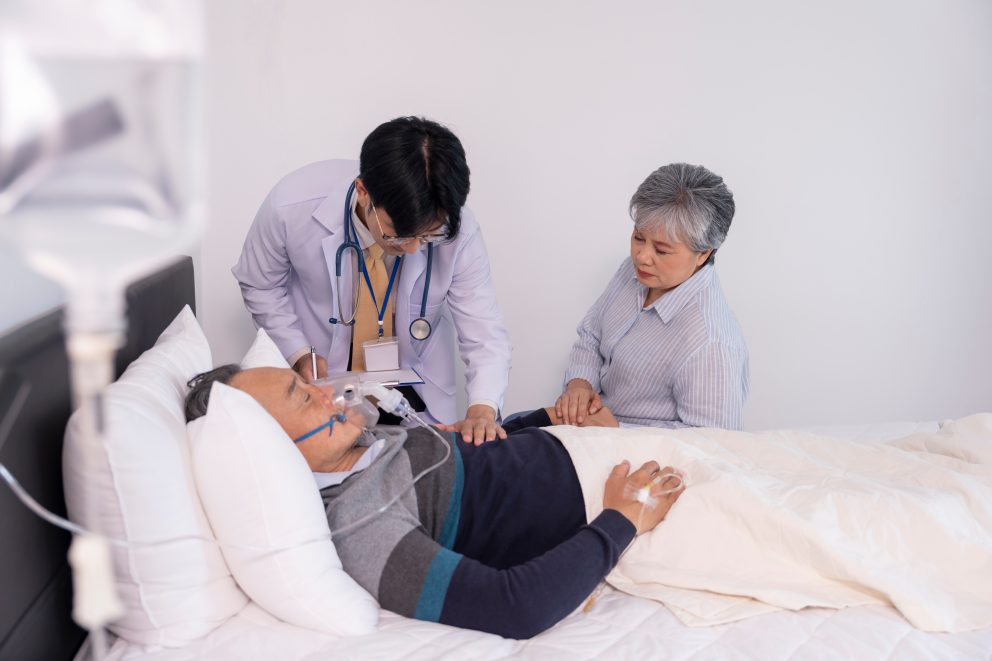
Significant impacts on patients and their families
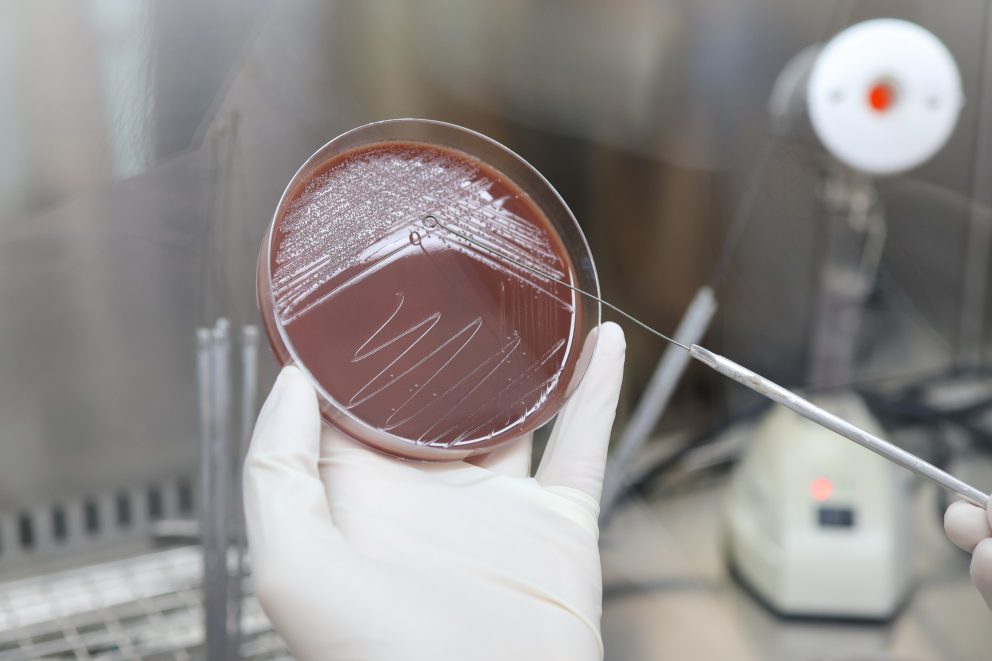
Increased resistance of microorganisms
What are the most common HAIs?
While HAIs can arise from many causes, the UK Health Security Agency (UKHSA) highlights the following as significant threats to public health:
- Clostridioides difficile (C. difficile)
- Escherichia coli (E. coli) bloodstream infections
- Klebsiella species (Klebsiella spp.) bloodstream infections
- Methicillin-resistant Staphylococcus aureus (MRSA) bloodstream infections
- Methicillin-susceptible Staphylococcus aureus (MSSA) bloodstream infections
- Pseudomonas aeruginosa (P. aeruginosa) bloodstream infections
In FY2022/2023, over 84,000 reported cases of HAIs were reported in England alone. This was a 4.4% increase from the previous year.2
What causes HAIs?

Healthcare interventions
HAIs can be caused directly from medical or surgical procedures, including through catheters, IV lines, mechanical ventilation or surgical wounds. 1
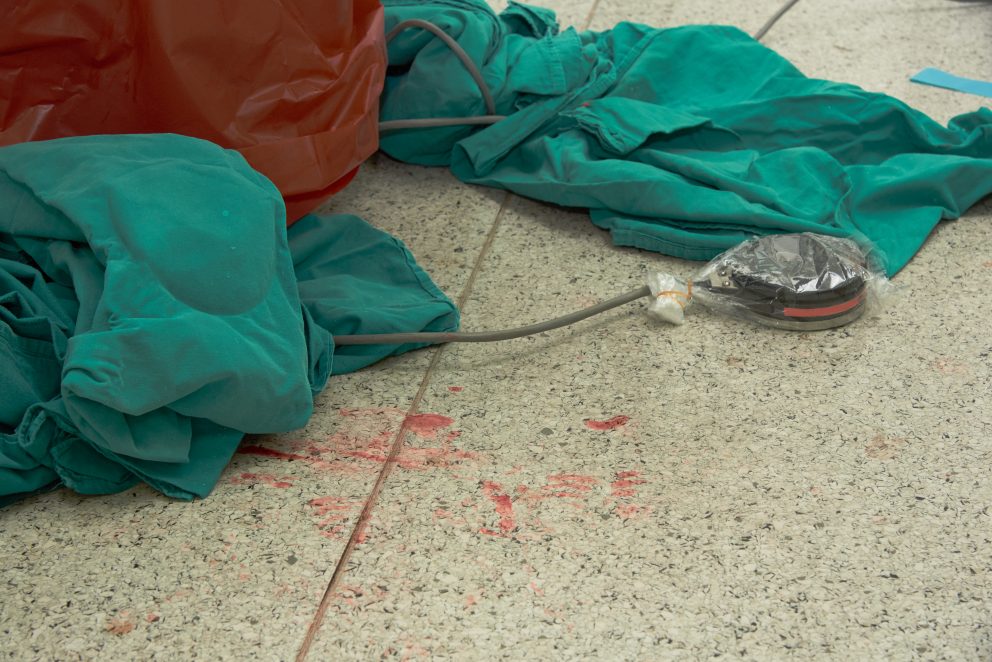
Contaminated healthcare environments
Poor cleaning protocols or inadequate disinfection of reusable medical devices can contribute to the spread of pathogens via surfaces and equipment in hospitals and clinics.

Transmission from healthcare workers
Inadequate hygiene or improper use of personal protective equipment (PPE) can lead to cross-contamination between patients.1

Patient vulnerability
Patients with weakened immune systems due to age, illness or treatments are more susceptible to HAIs, plus long hospital stays, and frequent antibiotic use increases the risk.
How are HAIs transmitted?
- Direct contact: Between patients and healthcare staff or contaminated surfaces.
- Device-related: Through devices such as endocavity ultrasound probes, endoscopes.
- Fecal-oral: Particularly for infections like C. difficile.
- Airborne: Especially in poorly ventilated areas.
What risks are associated with HAIs?
Increased morbidity and mortality:
HAIs can cause serious complications such as sepsis and organ failure. In 2016/2017, an estimated 28,500 patient deaths were attributed to HAIs in NHS hospitals in England.3
Prolonged hospitalisation
Patients with HAIs often require longer hospital stays, increasing the risk of exposure to pathogens, leading to further complications and strain on hospital resources.
Antibiotic resistance (AMR)
Infections cause by MRSA and C. difficile are harder to treat due to the pathogen’s developed resistance, leading to more complex and prolonged treatment.
Economic burden
According to the UKHSA’s 2023 report, the estimated cost to the NHS for HAIs was £6 billion.4
Bed occupancy
In 2016/2017, HAIs accounted for approximately 7.1 million occupied hospital bed days across NHS hospitals in England, representing 21% of all annual NHS bed days.3
Preventing HAIs
Choosing the right disinfectant is critical when it comes to preventing HAIs. Many disinfectants have over-complicated and variable dilution rates, multiple contact times to follow, or do not meet the requirements for the correct level of disinfection. These issues can lead to improper disinfection, contributing to the spread of HAIs and resistant organisms.
When choosing your disinfectant, look for:
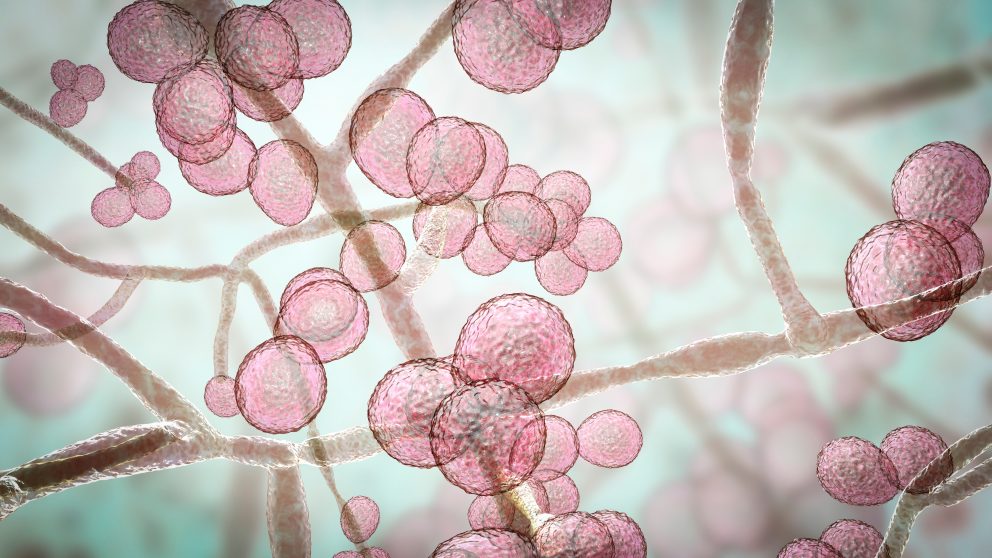
Sporicidal efficacy
Ensure your disinfectant is effective against bacterial spores. An easy way to confirm this is that it has demonstrated efficacy to the EN 17126 and EN 17846 tests.
One dilution rate, one contact time
Avoid human error with a disinfectant that is effective at one dilution rate and one contact time, without the need for calculating the required concentration.
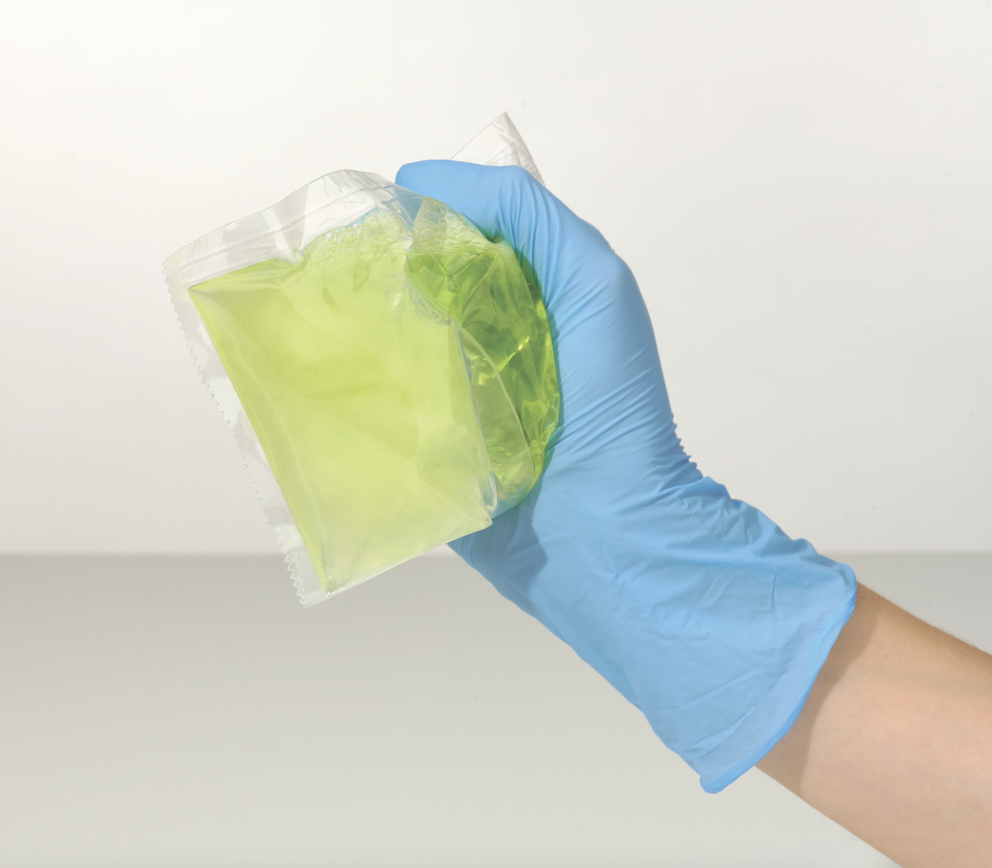

Guideline compliance
Check the local guidelines and compare how your disinfection protocol measures up, from pre-cleaning to traceability.
Choosing a disinfectant that meets these requirements reduces the risk of spreading HAIs, helping to protect patients, staff, and the wider community while supporting safer, more resilient healthcare environments.
Get in touch with us today to discuss how we can help improve your disinfection protocols
References:
1 NHS England. (n.d.). Healthcare-associated infections. Retrieved August 20, 2025, from https://www.england.nhs.uk/patient-safety/healthcare-associated-infections/
2 UK Health Security Agency. (2025, May 15). 30-day all-cause mortality following MRSA, MSSA and Gram-negative bacteraemia and C. difficile infections: 2022 to 2023 report. GOV.UK. Retrieved from https://www.gov.uk/government/statistics/mrsa-mssa-and-e-coli-bacteraemia-and-c-difficile-infection-30-day-all-cause-fatality/30-day-all-cause-mortality-following-mrsa-mssa-and-gram-negative-bacteraemia-and-c-difficile-infections-2022-to-2023-report
3 NHS England. (n.d.). Healthcare associated infections. Retrieved August 20, 2025, from https://www.england.nhs.uk/patient-safety/healthcare-associated-infections/
4 Guest, J. F., Keating, T., Gould, D., & Wigglesworth, N. (2020). Modelling the annual NHS costs and outcomes attributable to healthcare-associated infections in England. BMJ Open, 10(1), e033367. https://doi.org/10.1136/bmjopen-2019-033367
5 UK Health Security Agency. (2024, October 31). Healthcare-associated infections (HCAI) statistics. GOV.UK. Retrieved from https://www.gov.uk/government/collections/healthcare-associated-infections-hcai-statistics