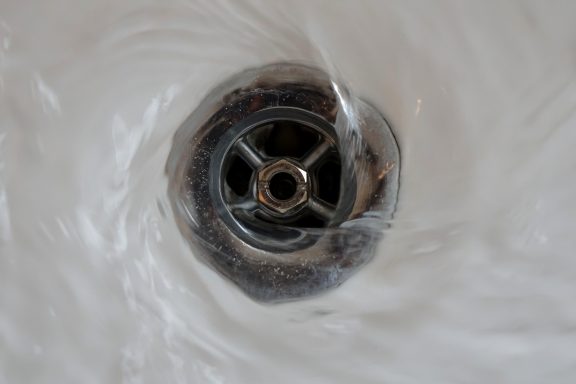
28th October 2026 IPC In Practice Out of Sight, Out of Mind? Understanding Seven Challenges in Healthcare Drain Disinfection IPC in Practice Seven challenges at a glance Tap a challenge to jump straight to it. 1·Hidden reservoir2·Splash zones3·Biofilms4·Resistance5·Hard to trace6·Current methods7·Proving it works Drains have long sat at the […]
24th September 2026 IPC In Practice Decoding Sustainability Claims in Healthcare: What Should You Really Look For IPC in Practice In this article you’ll learn Why transparency matters when judging environmental claims Five questions to ask before trusting a sustainability claim What a full product lifecycle assessment […]
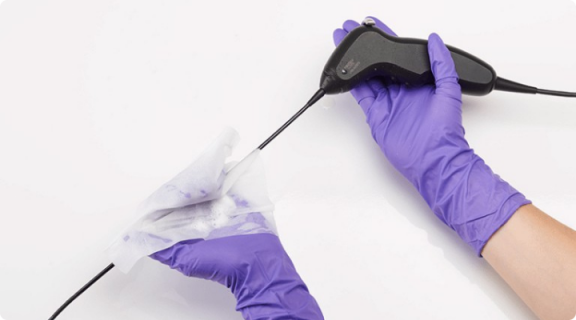
3rd August 2026 IPC In Practice Understanding Material Compatibility and Efficacy Validation: What You Should Know IPC in Practice In this article you’ll learn What is material compatibility? What is efficacy validation? What makes chemistry compatible with a medical device? The power of chlorine dioxide When […]
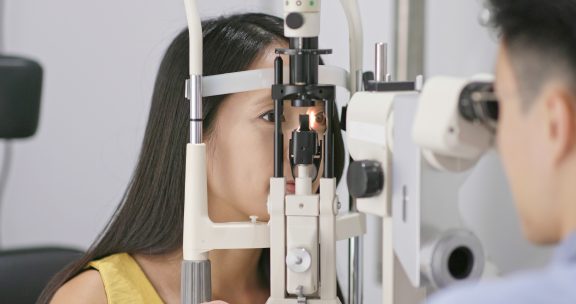
17th June 2026 IPC In Practice Keep Your Eyes on Ophthalmology Ophthalmic devices that touch the eye's mucous membranes carry infection risks including Acanthamoeba keratitis, adenoviral epidemic keratoconjunctivitis (which causes ~92% of acute epibulbar infections) and endophthalmitis; adenoviruses can survive up to 35 days on plastic surfaces. High-level disinfection under the Spaulding Classification, using broad-spectrum chlorine dioxide products like Tristel DUO OPH, is tested to EN 14885:2018 and EN 14476.
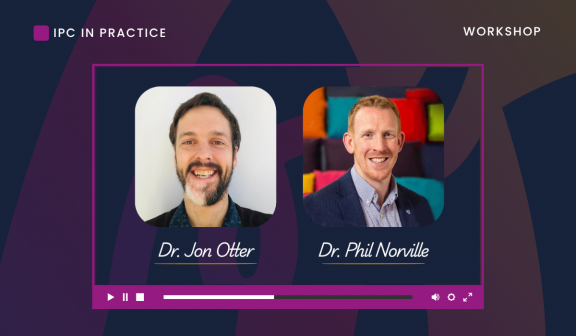
8th June 2026 IPC In Practice Workshop: Drains – Transmissions of infections and disinfection Catch up on our expert led session from IPC 2026 in Birmingham… Speakers: This workshop dives into:
10th December 2025 IPC In Practice Understand European Norms: What They Mean for Disinfection European Norms (ENs) are the standards that define disinfection efficacy in Europe's medical sector, requiring at least a 5-log reduction for vegetative bacteria and a 4-log reduction for bacterial spores, viruses, mycobacteria, fungi and yeasts. Sporicidal activity is tested to EN 17126 and EN 17846, and virucidal activity to EN 14476, EN 17111 and EN 16777. Which standards apply depends on the disinfection level required (low, intermediate, or high) for a given device and its clinical use.
22nd July 2025 IPC In Practice Understanding Sporicidal Claims: What You Should Know In UK healthcare settings, sporicidal claims matter most where bacterial endospores such as Clostridioides difficile pose an infection risk — a leading concern for NHS infection prevention and control teams. Under EN 14885, a product can only be credibly called sporicidal if it passes both EN 17126 (suspension test) and EN 17846 (surface wipe test, mandatory since May 2025). Quaternary ammonium compounds (QACs) cannot make this claim: their membrane-disruption mechanism has no effect on spores' resistant coats, per CDC guidance.
17th July 2025 IPC In Practice The Challenge of Biofilms in Healthcare In UK healthcare settings, biofilms are a persistent driver of healthcare-associated infections (HAIs) and multi-drug-resistant organisms (MDROs), with bacteria in a biofilm up to 1,000 times more resistant to antibiotics. Wet biofilms form in moist environments like device channels and water lines, typically involving gram-negative bacteria such as Pseudomonas aeruginosa, while dry biofilms develop on low-moisture surfaces and resist cleaning even more strongly. Testing to ASTM E2799 and E2871-22 shows Tristel's chlorine dioxide disinfectants achieve sporicidal disinfection against biofilms in as little as 30 seconds.
Subscribe Today & Keep Up-to-date Get the latest innovations, product updates, and expert insights delivered straight to your inbox!