


Carbapenemase-producing Enterobacterales (CPE) are Gram-negative bacteria, including Klebsiella pneumoniae, Escherichia coli and Enterobacter species, that produce carbapenemase enzymes. These enzymes break down carbapenem antibiotics, which are usually reserved as last-line treatments for severe infections.
Infections caused by CPE can therefore be difficult to treat because of the pathogens’ high drug resistance. CPE fall within carbapenem-resistant Enterobacterales, which the WHO recognises as critical-priority antimicrobial-resistant pathogens.
CPE vs CRE: what’s the difference?
CRECPE
CRE (carbapenem-resistant Enterobacterales) refers to any Enterobacterales resistant to carbapenems, by any mechanism.
CPE are a subset of CRE, where resistance is caused specifically by carbapenemase enzymes.
All CPE are CRE, but not all CRE are CPE.
CPE pose a greater transmission risk because carbapenemase genes spread rapidly to other organisms via plasmids.
Where is CPE found in healthcare settings?
CPE primarily colonise the gastrointestinal tract, with bacteria shed into faeces.
In healthcare environments, CPE can contaminate surfaces, shared bathrooms, equipment and wet areas such as sinks and drains, which can become persistent reservoirs.
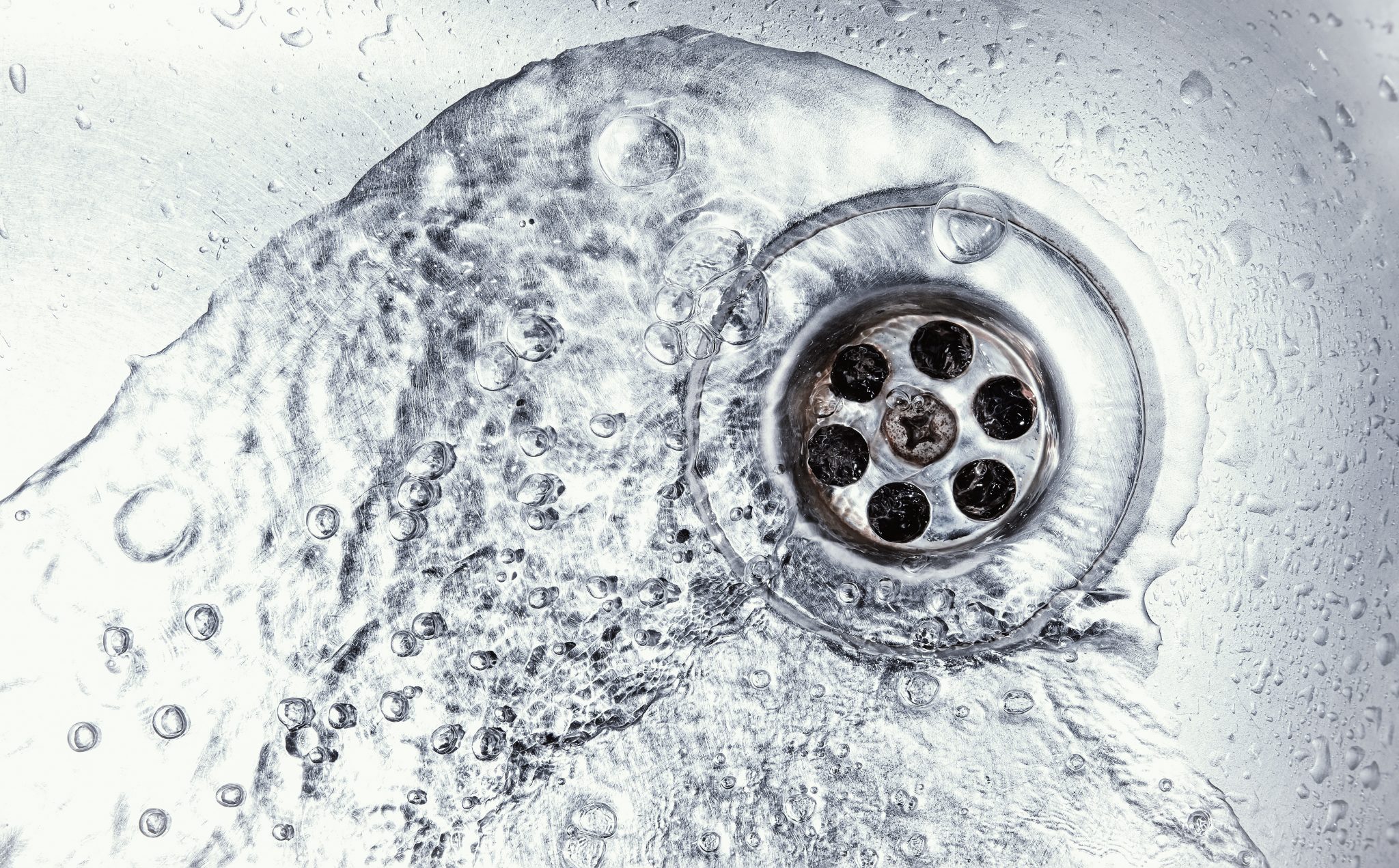

?Did you know?CPE can persist in healthcare environments for long periods.Find out more
Its ability to survive in the environment and spread through plumbing systems means CPE can persist without effective IPC measures.
What infections does CPE cause?
Many people become colonised with CPE without symptoms. However, infections caused by CPE are associated with high morbidity and mortality, largely due to limited effective antibiotic options.
Colonised
Many people carry CPE without any symptoms.
Infected
If the bacteria enter normally sterile sites, they can cause severe infections:
Bloodstream infectionsPneumoniaUrinary tract infectionsWound and surgical site infections
How is CPE transmitted?
CPE spreads easily through several routes:
Transmission routes
1Direct contact with colonised or infected individuals
2Contaminated hands of healthcare workers
3High-touch surfaces such as bed rails, call bells, toilet flushes and door handles
4Shared bathrooms, commodes and sanitary spaces
5Contaminated sinks, drains and splash zones
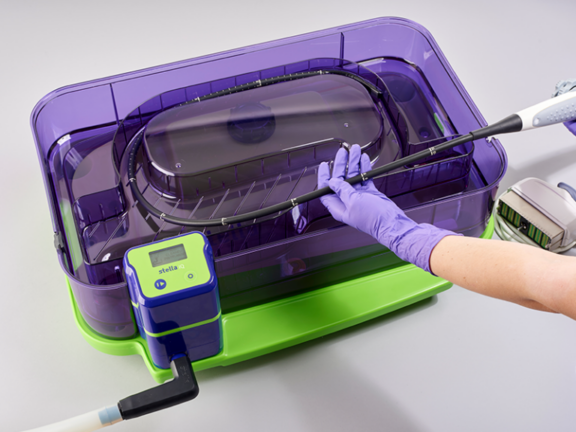
6Reusable medical devices and shared patient equipment not thoroughly cleaned and disinfected
7Patient transfers where CPE status isn’t communicated

?Did you know?Wet environments are particularly high-risk for ongoing CPE transmission.Find out more
Water reservoirs and wet areas, such as sinks, drains and splash zones, can act as persistent sources of CPE.
Why is CPE a major microbial threat?
?Did you know?CPE can spread silently.Find out more
Patients can remain colonised long-term without symptoms, which can result in silent spread within healthcare facilities.
How to prevent CPE transmission
The following infection prevention and control (IPC) measures work together to reduce colonisation pressure and prevent outbreak escalation.
The IPC bundle
Seven measures that work together
People
- Hand hygiene
- Contact precautions: gloves, gowns or aprons, and dedicated patient equipment
Patients
- Single-room isolation or managed cohorting for CPE-positive patients
- Routine screening of high-risk patients, including those recently hospitalised in Australia, New Zealand or overseas
- Clear communication of CPE status during inter-facility transfers
Environment
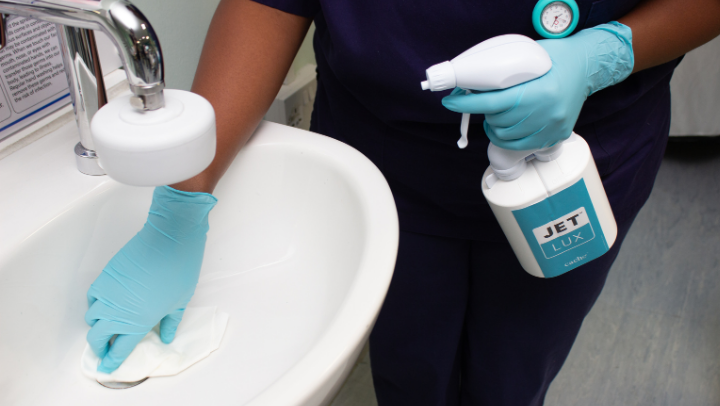
- Enhanced environmental cleaning using disinfectants with proven bactericidal activity
- Careful sink and drain risk management, minimising splash contamination

How to defend against CPE
Disinfectants with bactericidal activity are essential for infection control and defence against CPE. Best practice is to use a high-level disinfectant with robust, broad-spectrum biocidal chemistry capable of destroying small numbers of bacterial spores, most fungal spores, all common vegetative bacteria, mycobacteria, yeast and viruses.
High-level disinfectants help prevent the spread of carbapenemase-producing Enterobacterales and other harmful pathogens from one patient to another while safeguarding healthcare professionals during routine procedures.
Test your knowledge
3 questions
Choose an answer to see if you’re right.
Question 1. Which statement about CPE and CRE is true?
AAll CRE are CPE
Not quite. Not all CRE produce carbapenemase. Resistance can come from other mechanisms.
BAll CPE are CRE
Right answer. CPE are the subset of CRE whose resistance comes from carbapenemase enzymes.
CCPE and CRE are unrelated
Not quite. They’re closely related: CPE sit within the wider CRE group.
Question 2. Where does CPE primarily colonise?
AThe skin
Not quite. Hands can carry CPE after contact, but it primarily colonises the gut.
BThe respiratory tract
Not quite. CPE can cause pneumonia, but its main site of colonisation is the gut.
CThe gastrointestinal tract
Right answer. CPE primarily colonise the gut and are shed into faeces.
Question 3. Which environment is a particularly high-risk source of ongoing CPE transmission?
ASinks, drains and wet areas
Right answer. Water reservoirs and wet environments can become persistent reservoirs.
BDry corridor floors
Not quite. Floors matter, but wet environments are the particular concern.
CStaff offices
Not quite. The highest-risk areas are wet environments close to patients.
Key takeaways
Carbapenemase-producing Enterobacterales (CPE) make enzymes that break down last-line carbapenem antibiotics.
All CPE are CRE, but CPE pose a greater transmission risk because carbapenemase genes spread to other organisms via plasmids.
Sinks, drains and other wet areas can become persistent reservoirs for CPE.
Prevention relies on a bundle of IPC measures working together, including effective disinfection.
References and further reading (5)
- World Health Organization (2017). Guidelines for the prevention and control of carbapenem-resistant Enterobacteriaceae, Acinetobacter baumannii and Pseudomonas aeruginosa in health care facilities. Accessed 11 February 2026.
- World Health Organization (2024). WHO Bacterial Priority Pathogens List 2024.
- Centers for Disease Control and Prevention (2024). About CRE.
- Northern Lincolnshire and Goole NHS Foundation Trust (2025). Carbapenemase Producing Enterobacteriaceae (CPE). Accessed 11 February 2026.
- Cambridge University Hospitals NHS Foundation Trust (2024). Information about Carbapenemase Producing Enterobacteriaceae (CPE). Accessed 11 February 2026.