Jump to a section
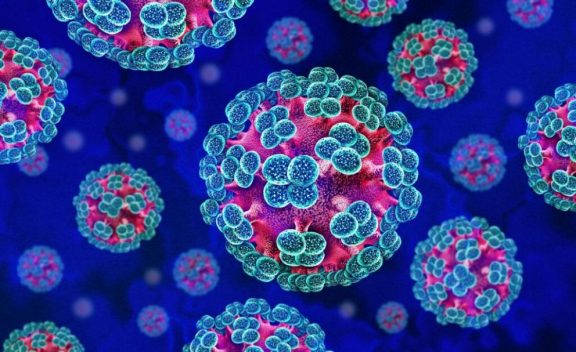
Human papillomaviruses (HPV) are small, non-enveloped DNA viruses that cause a range of diseases from benign warts to life-threatening cancers. There are over 200 different types of HPV. They are grouped into high-risk and low-risk types based on their potential to cause cancer.
Due to its prevalence and persistence, HPV presents a significant challenge in infection prevention and control.
Where is HPV found and how is it transmitted?
HPV is most commonly present in the genital areas but can also be present in the mouth and throat. Additionally, it can persist on medical instruments and surfaces if not properly disinfected, making it a concern in healthcare settings.
The virus spreads primarily through vaginal, anal, or oral sex with an infected person. However, it can also be transmitted through close skin-to-skin contact during sexual activity.

?Did you know?HPV can spread without any symptoms.Find out more
HPV can be transmitted even when no symptoms are present, making it difficult to detect and control.
In healthcare settings
Devices that can harbour HPV
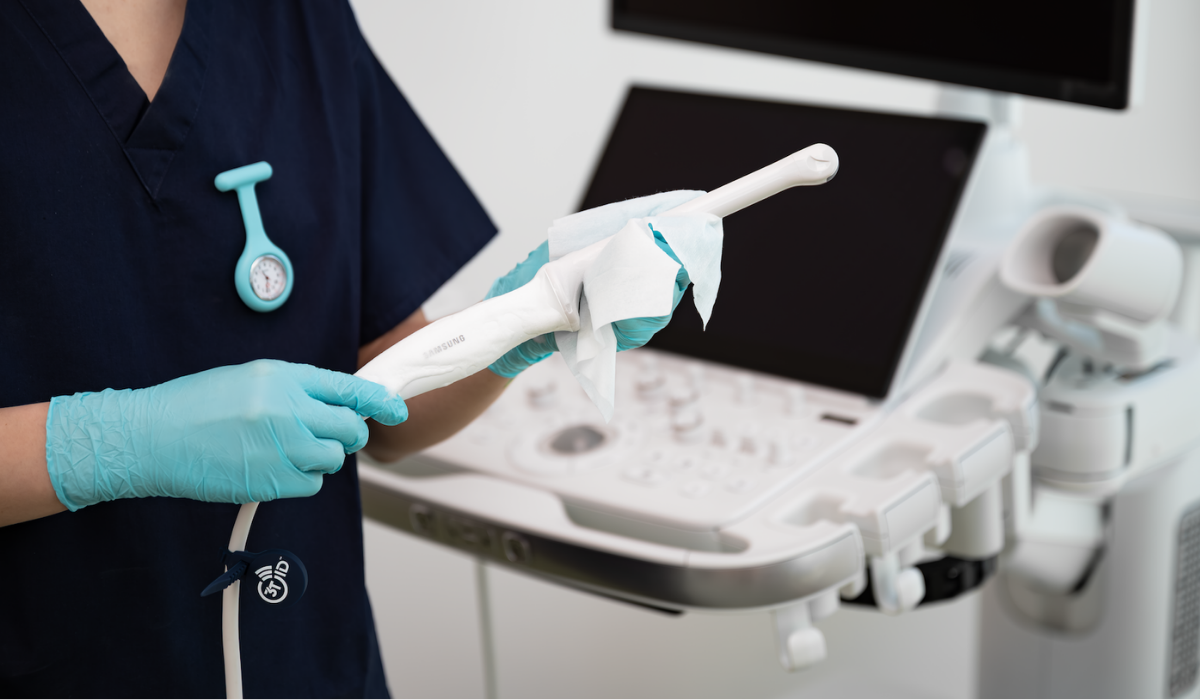
Medical devices used to examine areas such as the cervix, vagina, throat and neck can harbour HPV if not disinfected effectively, including:
Transvaginal ultrasound probesColposcopesEndoscopes
What does HPV cause?
Cancer risk
High-risk HPV
Type 16Type 18Type 31Type 45
High-risk HPV types, for example 16, 18, 31 and 45, are strongly linked to cancers of the cervix, vagina, vulva, anus, penis and oropharynx (throat).
Non-cancerous
Low-risk HPV
Low-risk HPV types are associated with non-cancerous skin infections, leading to warts on the feet, hands, elbows and genital areas.
Persistent high-risk HPV infection is estimated to cause:
Share of each cancer type
Cervical and anal cancers90%
Vulvar and vaginal cancers70%
Oropharyngeal cancers70%
Penile cancers60%
Why is HPV a challenge in infection control?
Additionally, while cervical cancer screening is available in some regions, it is not accessible everywhere, leaving many at risk.
How can you prevent the spread of HPV?
- HPV testing and screening. In New Zealand, HPV testing is part of cervical screening offered to individuals aged 25 to 69 to help prevent cervical cancer.
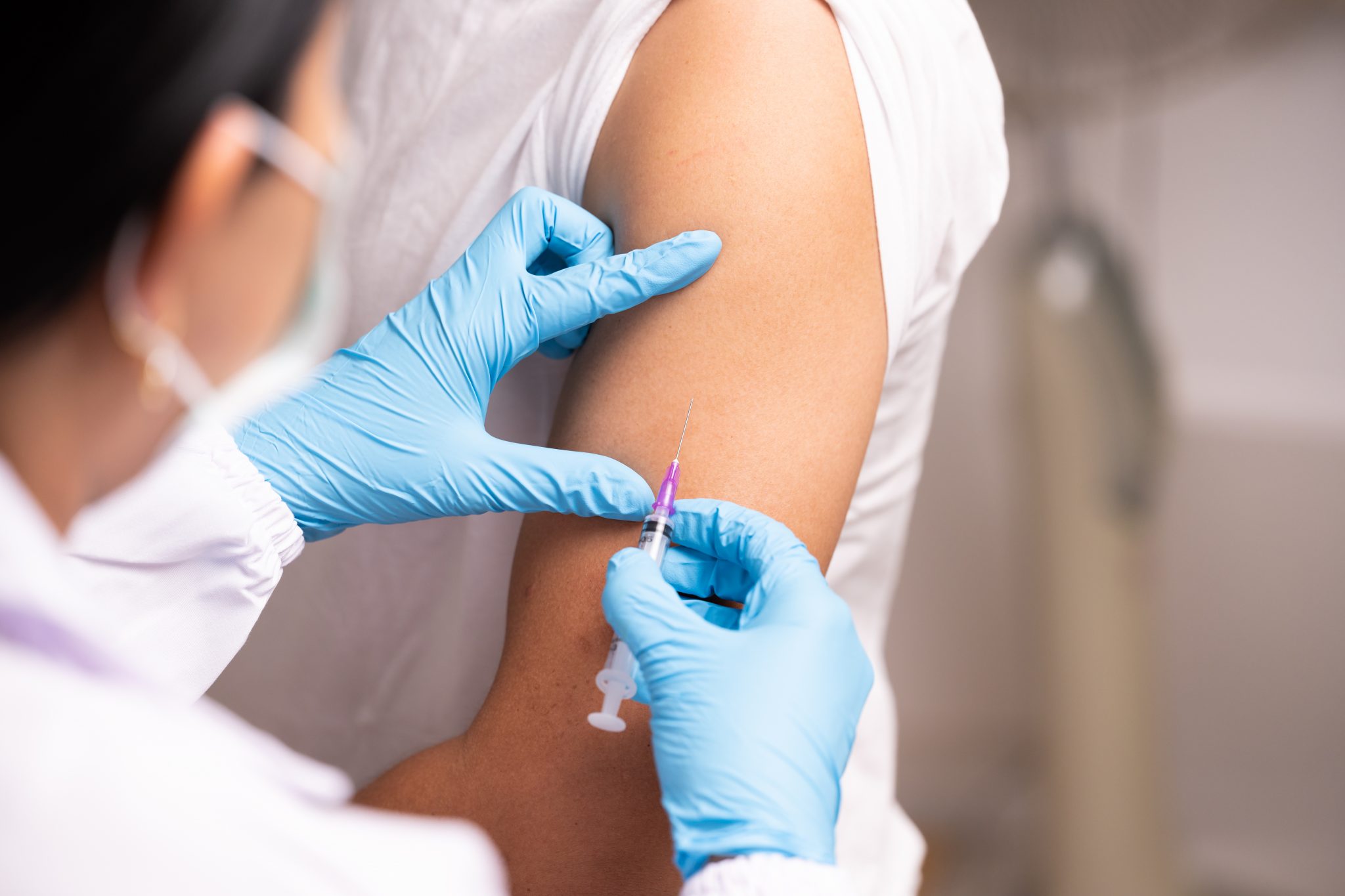
- Vaccination. The HPV vaccine protects against the most common types linked to genital warts and cervical cancer.
- Barrier protection. Condoms can reduce the risk of transmission but do not provide full protection, as they do not cover all skin contact areas.
How can you defend against HPV?
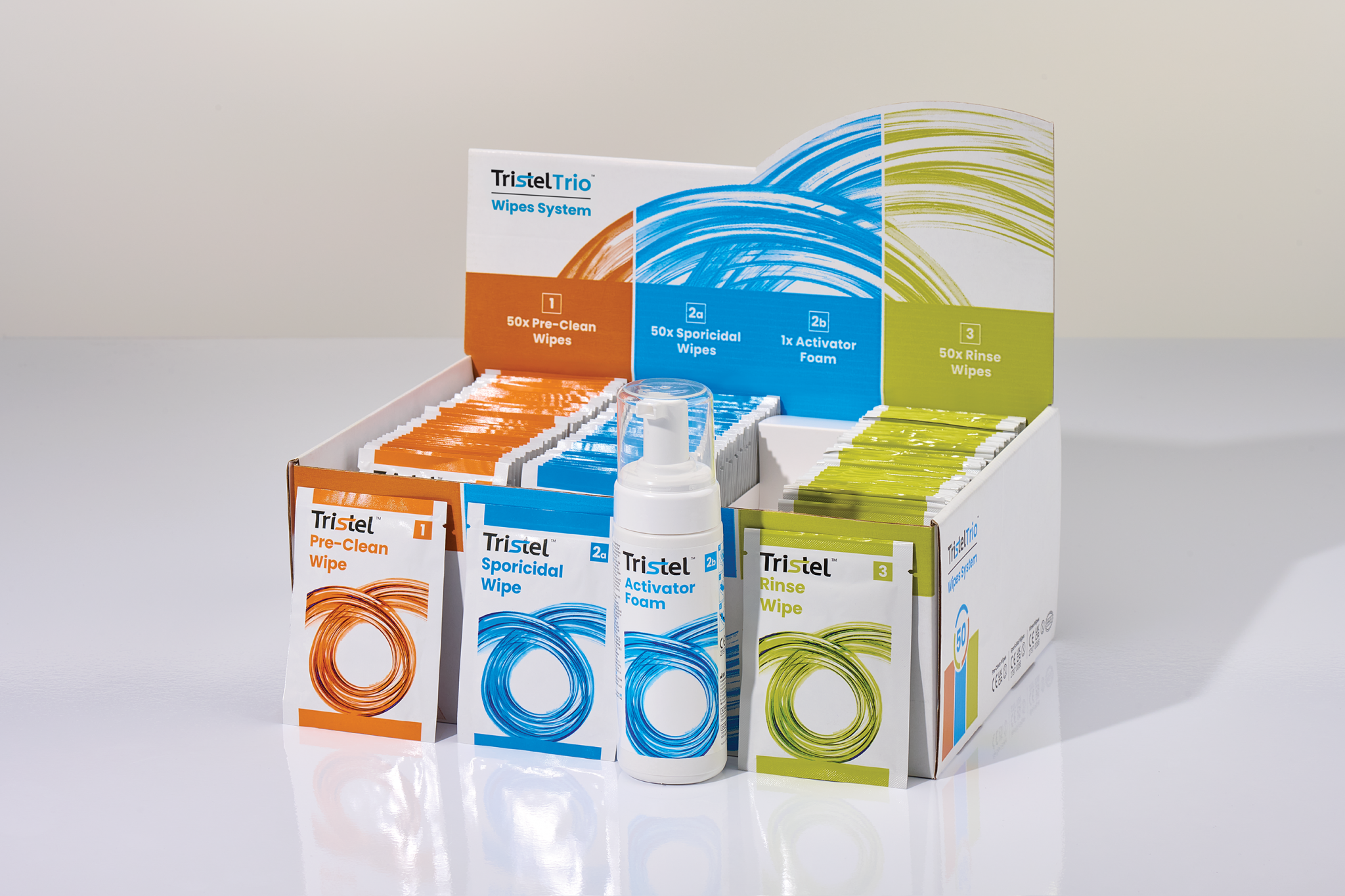
Proper disinfection is critical in preventing HPV transmission in clinical environments. Because HPV is highly resistant to conventional disinfectants, it is essential to use high-level disinfectants with proven virucidal activity.
Good to know
The most effective disinfectants should:
- Eliminate bacterial spores, vegetative bacteria, mycobacteria, yeast, fungal spores and viruses
- Prevent cross-contamination between patients
- Protect healthcare professionals during routine procedures
Did you know?
30%
HPV can retain 30% of its infectivity for seven days on inadequately disinfected medical surfaces and devices.
References and further reading (5)
- Jensen JE, Becker GL, Jackson JB, Rysavy MB. Human Papillomavirus and Associated Cancers: A Review. Viruses. 2024 Apr 26;16(5):680.
- Centers for Disease Control and Prevention (2024). About Genital HPV Infection.
- Marur S, D’Souza G, Westra WH, Forastiere AA (2010). HPV-associated head and neck cancer: a virus-related cancer epidemic. The Lancet Oncology, 11(8), pp.781–789.
- Health NZ (2026). Human papillomavirus (HPV).
- Saraiya M, Unger ER, Thompson TD, et al. (2015). US Assessment of HPV Types in Cancers: Implications for Current and 9-Valent HPV Vaccines. JNCI: Journal of the National Cancer Institute, 107(6).