

Healthcare-associated infections (HAIs) are infections that people develop while receiving medical or surgical treatment, in settings such as hospitals, rehabilitation facilities and rest homes1. HAIs pose a real threat to patients, staff and visitors across every healthcare setting in Aotearoa New Zealand.
What’s the real-world impact of HAIs?
 Increased financial burdens on healthcare systems
 Long-term disability and high mortality rates
 Longer hospital stays
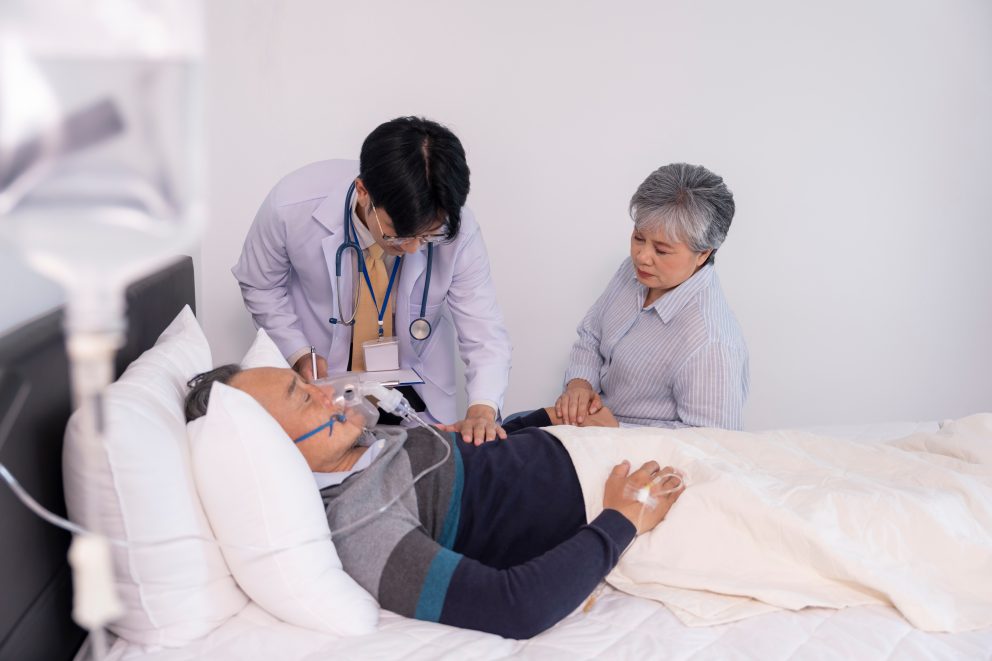 Significant impacts on patients and their families
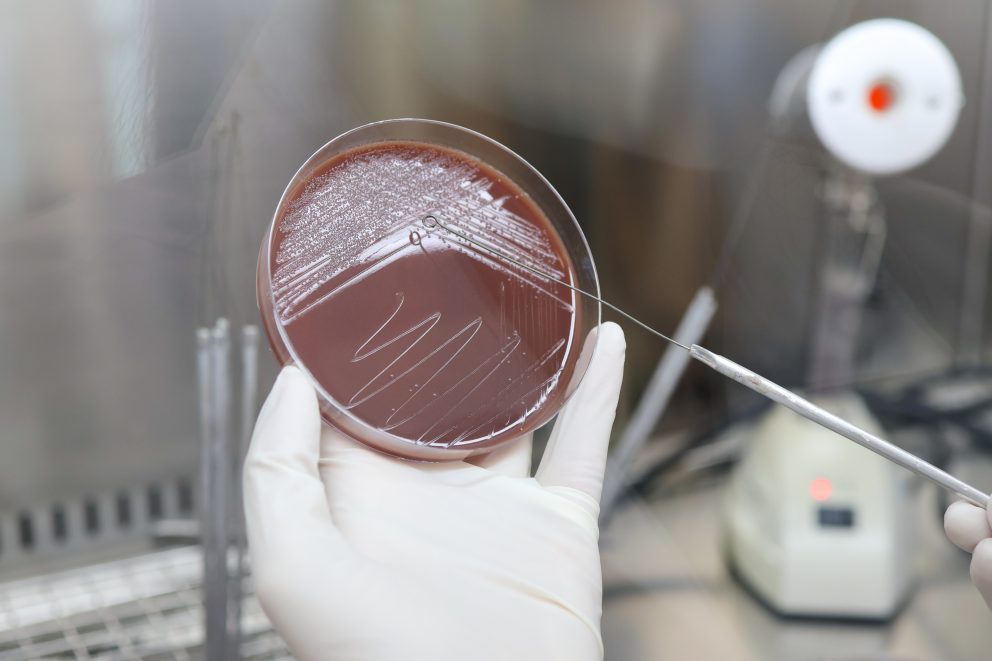 Increased resistance of microorganisms
What are the most common HAIs?
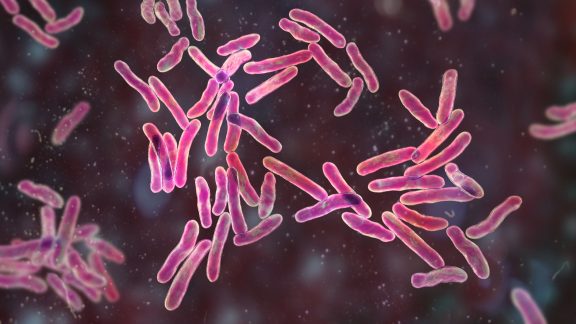
New Zealand’s first national point prevalence survey of HAIs found the most common types were surgical site infections (25%), urinary tract infections (19%), pneumonia (18%) and bloodstream infections (13%). The most frequently identified pathogens were Staphylococcus aureus, Escherichia coli and Enterococcus species.2 The national infection prevention and control programme and surveillance focus on the following as significant threats to patient safety:
HA-SAB
Healthcare-associated Staphylococcus aureus bacteraemia
SSI
Surgical site infections
CLAB
Central line-associated bacteraemia
E. coli
Escherichia coli infections
MRSA
Methicillin-resistant Staphylococcus aureus
C. difficile
Clostridioides difficile infection (CDI)
At any one time, around 1 in 15 adult patients in New Zealand public hospitals has an HAI.2 An estimated 24,191 HAIs occurred in 2021, resulting in 699 deaths.3
What causes HAIs?
How are HAIs transmitted?
Direct contact: Between patients and healthcare staff or contaminated surfaces.
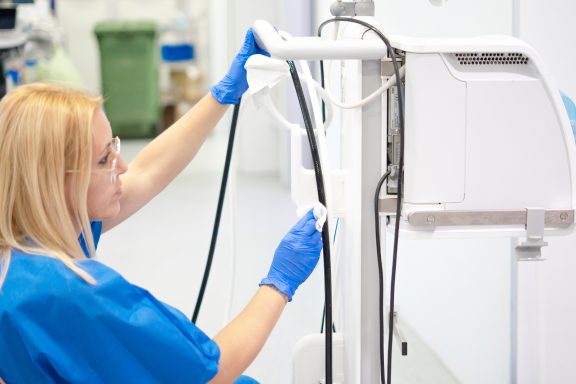
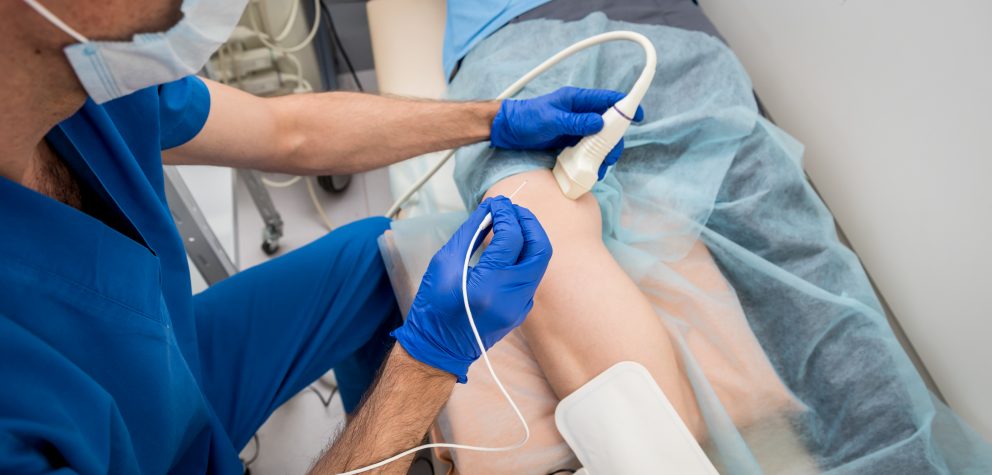
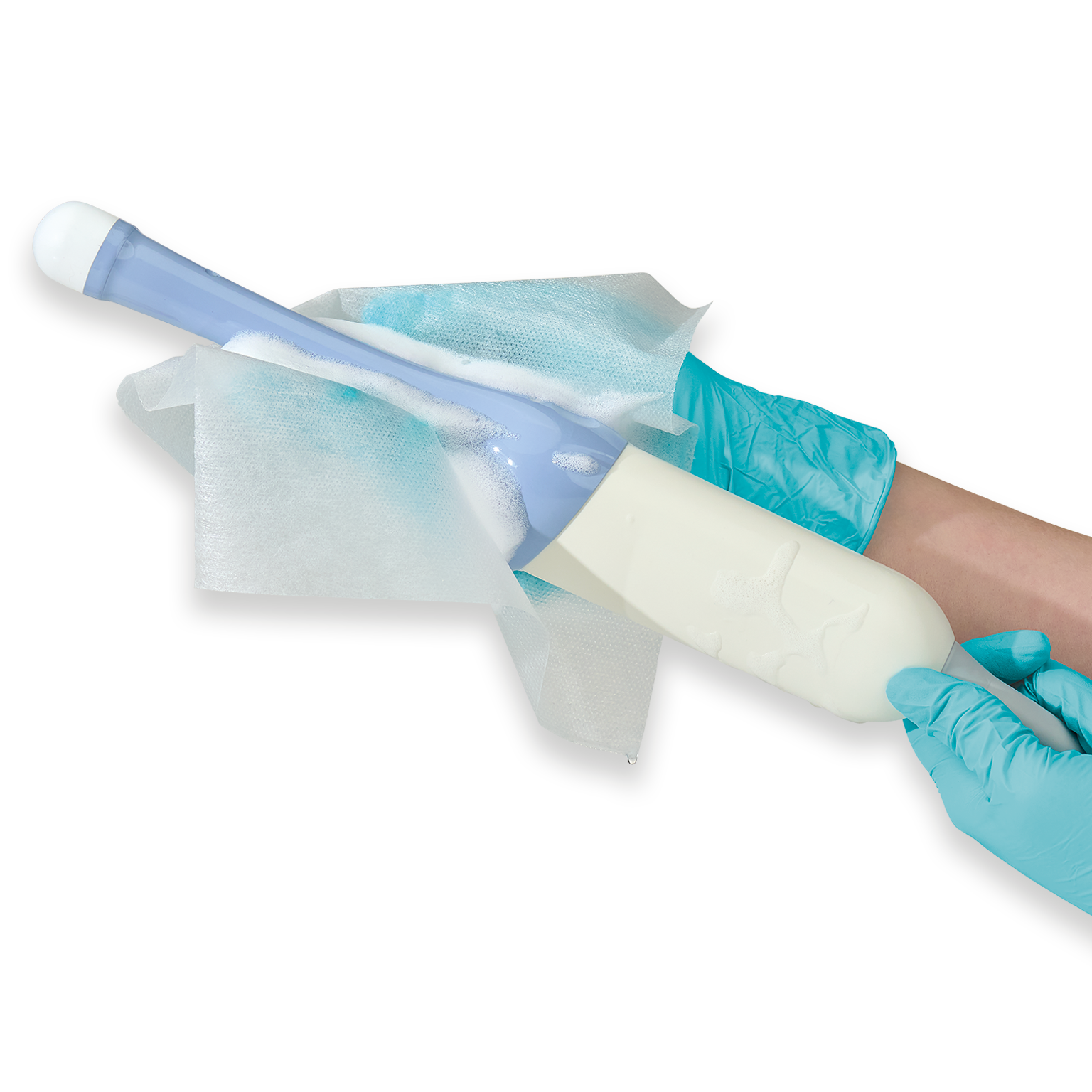
Device-related: Through reusable medical devices such as endocavity ultrasound probes and endoscopes.
Faecal-oral: Particularly for infections like C. difficile.
Airborne: Especially in poorly ventilated areas.
What risks are associated with HAIs?

Increased morbidity and mortality
HAIs can cause serious complications such as sepsis and organ failure. In 2021, HAIs in New Zealand public hospitals were estimated to cause 699 deaths and 9,371 years of life lost. They also caused more disability than motor vehicle traffic crashes.3
Prolonged hospitalisation
Patients with HAIs often require longer hospital stays, increasing their exposure to pathogens and placing further strain on hospital resources.
Antimicrobial resistance (AMR)
Infections caused by organisms such as MRSA and C. difficile are harder to treat due to the pathogen’s developed resistance, leading to more complex and prolonged treatment. In New Zealand’s national point prevalence survey, 13% of S. aureus isolates were MRSA and 28% of enteric Gram-negative bacteria showed cephalosporin or carbapenem resistance.4
Economic burden
HAIs in New Zealand public hospitals were estimated to cost $955 million in 2021, made up of $121 million for lost bed days, $792 million for years of life lost and $43 million in ACC treatment injury claims.3
Bed occupancy
Every HAI ties up beds that could be used for new admissions. In 2021, HAIs were estimated to have caused 76,861 lost bed days in New Zealand public hospitals.3
Preventing HAIs
Choosing the right disinfectant is critical when it comes to preventing HAIs. Many disinfectants have over-complicated and variable dilution rates, multiple contact times to follow, or do not meet the requirements for the correct level of disinfection. These issues can lead to improper disinfection, contributing to the spread of HAIs and resistant organisms.
When choosing your disinfectant, look for:

Sporicidal efficacy
Ensure your disinfectant is effective against bacterial spores. An easy way to confirm this is that it has demonstrated efficacy to the EN 17126 and EN 17846 tests.

One dilution rate, one contact time
Avoid human error with a disinfectant that is effective at one dilution rate and one contact time, without the need for calculating the required concentration.

Guideline compliance
Check how your disinfection protocol measures up against NZS 8134:2021 Ngā paerewa Health and Disability Services Standard and AS/NZS 5369:2023 for reprocessing reusable medical devices, from pre-cleaning to traceability.5,6
References and further reading (6)
- Healthify He Puna Waiora. (n.d.). Healthcare-associated infection. Retrieved November 17, 2026, from https://healthify.nz/healthcare-associated-infection
- Grae, N., Singh, A., Jowitt, D., Flynn, A., Mountier, E., Clendon, G., Barratt, R., Gibson, B., Williams, C., Roberts, S. A., & Morris, A. J. (2023). Prevalence of healthcare-associated infections in public hospitals in New Zealand, 2021. Journal of Hospital Infection, 131, 164–172. https://doi.org/10.1016/j.jhin.2022.10.002
- Morris, A. J., Hensen, M., Graves, N., Cai, Y., Wolkewitz, M., Roberts, S. A., & Grae, N. (2024). The burden of healthcare-associated infections in New Zealand public hospitals 2021. Infection Control & Hospital Epidemiology, 45(10), 1176–1182. https://doi.org/10.1017/ice.2024.95
- Health Quality & Safety Commission. (2022). Aotearoa New Zealand national point prevalence survey of healthcare-associated infections. Wellington: Health Quality & Safety Commission. hqsc.govt.nz
- Standards New Zealand. (2021). NZS 8134:2021 Ngā paerewa Health and disability services standard. Wellington: Standards New Zealand.
- Standards Australia & Standards New Zealand. (2023). AS/NZS 5369:2023 Reprocessing of reusable medical devices and other devices in health and non-health related facilities.