

Clinical evidence is essential to support chemistry, particularly in healthcare settings where product performance and safety are critical.
Independent scientific research helps demonstrate how our chemistry works in practice, supports regulatory and clinical decision‑making, and provides transparency for healthcare professionals using our products.
Strong chemistry is built on strong clinical evidence
Scientific validation is central to how our products are developed, tested, and brought to market.
The publications available for download on this page include peer-reviewed studies published in recognised scientific and clinical journals.
Together, these articles contribute to the growing body of evidence supporting the efficacy, safety, and value of our products and technologies.
Featured Studies

Can high risk HPV survive on medical devices after disinfection?
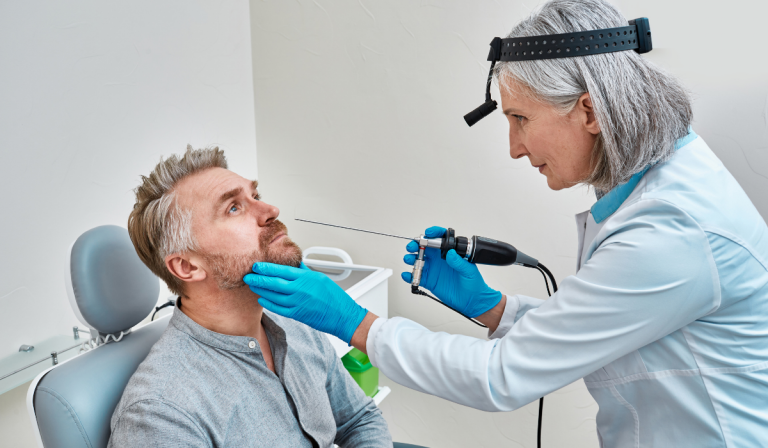
This study shows that chlorine dioxide can effectively inactivate native HPV 16 and 18 on ultrasound probes and nasendoscopes, even under realistic clinical conditions. Download

Can chlorine dioxide overcome biofilms and antimicrobial resistance in healthcare?
This study shows that chlorine dioxide is highly effective against multidrug-resistant-organisms and biofilms, supporting its role in improving environmental decontamination and patient safety. Download

Which disinfection method performs best in real clinical settings?
This study shows that chlorine dioxide wipes deliver equivalent microbiological efficacy while significantly reducing turnaround time and cost compared to traditional systems.
Download

How can a high-level disinfection protocol ensure effective disinfection of reusable ophthalmic equipment?
This study highlights how an adenovirus outbreak in a neonatal intensive care unit (NICU) was linked to contamination of reusable ophthalmic equipment, demonstrating the importance of appropriate disinfection practices. Download
Wipe Disinfection Efficacy & Performance
Laboratory and controlled studies on chlorine dioxide effectiveness by wiping, looking at mechanics, and microbiology
Does wiping harder improve disinfection performance?
This study explores how differences in user-applied wiping force impact disinfection performance and reveals why consistent results do not depend on pressure alone.
Reference: Wipe disinfection – further investigation of variable wiping forces in a modified version of the EN 16615 surface test method

How quickly can disinfectants eliminate resistant mycobacteria?
This study shows that chlorine dioxide wipes achieve rapid mycobactericidal activity within 30 seconds when used with mechanical action.
Reference: Mycobactericidal activity of chlorine dioxide wipes in a modified prEN 14563 test
Can manual disinfection deliver consistent results every time?
This study shows that chlorine dioxide wipes can achieve fully reproducible high level disinfection, with no observed human error across all users tested.
Reference: Innovation can verify reproducible high‑level disinfection outcomes
Can chlorine dioxide overcome biofilms and antimicrobial resistance in healthcare?
This study shows that chlorine dioxide is highly effective against multidrug-resistant-organisms and biofilms, supporting its role in improving environmental decontamination and patient safety.
Reference: Biofilms and antimicrobial resistance in healthcare: evaluating chlorine dioxide as a candidate to protect patient safety
Medical Device Reprocessing
Clinical case studies on the high-level disinfection of reusable devices with chlorine dioxide
How effective are manual wipes for endoscope disinfection?
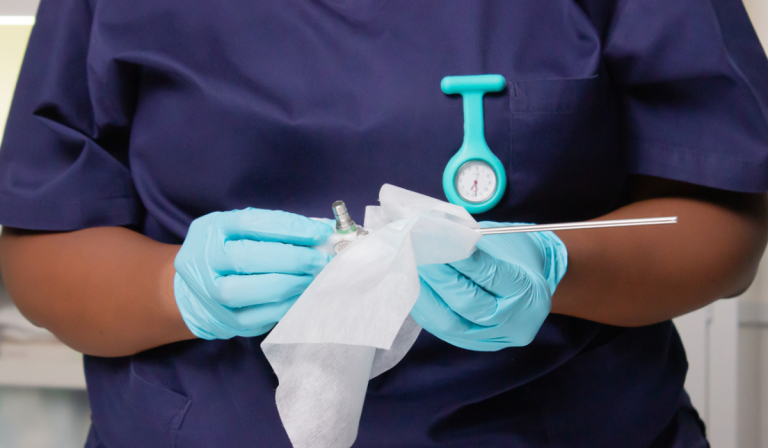
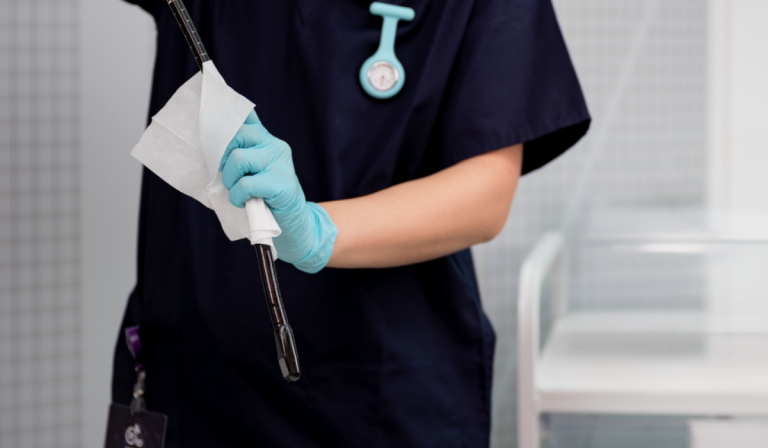
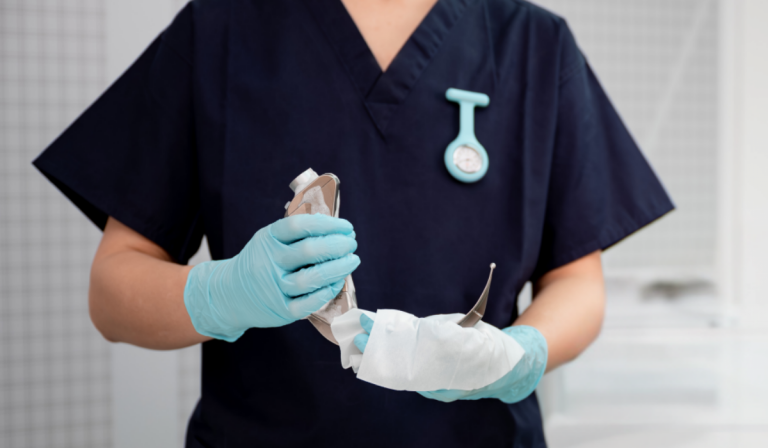
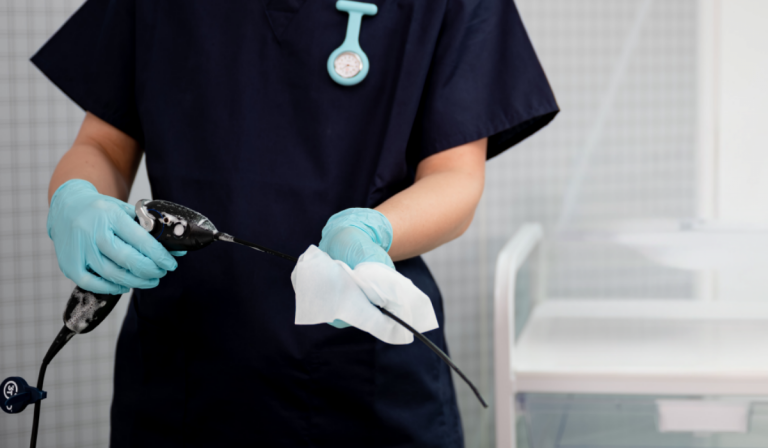
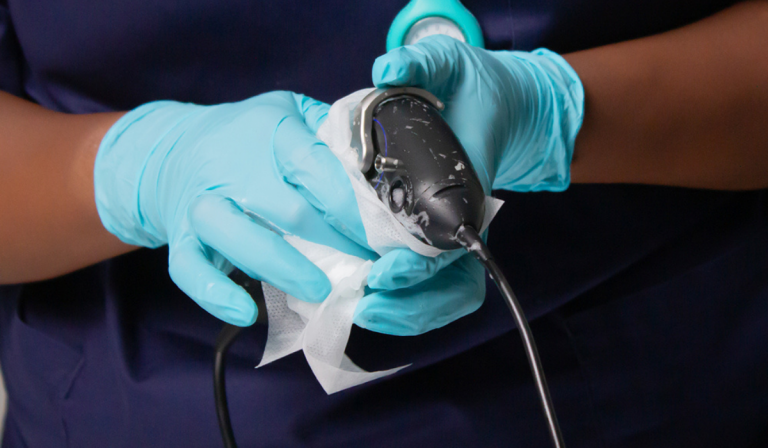
This study shows that chlorine dioxide wipes are non-inferior to automated disinfection in achieving high-level disinfection for reusable devices in ENT practice.
Reference: Using microbiological sampling to evaluate the efficacy of nasofibroscope disinfection- The tristel trio wipes system in ear–nose–throat (ENT) endoscopy
Is wiping as effective as traditional soaking for endoscope disinfection?
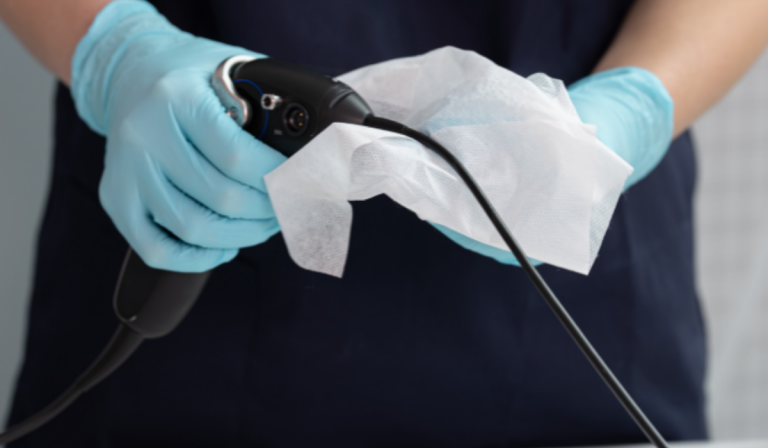
This study shows that chlorine dioxide wipes can achieve high-level disinfection of nasendoscopes rapidly, with effective reduction of bacteria and spores.
Reference: Is a chlorine dioxide wiping procedure suitable for the high-level disinfection of nasendoscopes
How effective are wipes for nasendoscope disinfection?
A prospective clinical study demonstrates that chlorine dioxide wipes provide reliable high level disinfection, with no detectable microbial contamination after use.
Reference: Evaluation of disinfection of flexible nasendoscopes using Tristel wipes- a prospective single blind study
Does layngoscope disinfection prevent enveloped viruses transmission?
A real-world audit demonstrates that strict adherence to chlorine dioxide wipe decontamination and infection control guidance can effectively prevent nosocomial transmission.
Reference: Audit of flexible laryngoscopy use and decontamination using a chlorine dioxide wipe system during COVID-19- Assessing the risk of disease transmission
Which disinfection method performs best in real clinical settings?
This study shows that chlorine dioxide wipes deliver equivalent microbiological efficacy while significantly reducing turnaround time and cost compared to traditional systems.
Reference: A randomised, single-blind comparison of high-level disinfectants for flexible nasendoscopes
Can soaking be as effective as chemical automated disinfection?
This study shows that chlorine dioxide soak delivers equivalent clinical and microbiological results, while significantly reducing turnaround time and cost compared to chemical automated systems.
Reference: A randomised single-blind comparison of the effectiveness of Tristel Fuse (chlorine dioxide) as an office-based fluid soak,with Cidex OPA (ortho-phthaldehyde) using an automated endoscopic reprocessor (AER) as high-level disinfection for flexible cystoscopes
Are chlorine dioxide wipes effective for ENT disinfection?
This systematic review shows that wipe-based chlorine dioxide systems deliver fast, reliable high level disinfection, with strong clinical performance and cost advantages in ENT settings.
Reference: Disposable chlorine dioxide wipes for high-level disinfection in the ENT department- A systematic review
Can disinfection effectiveness be measured in real time?
This survey reveals wide variation in nasendoscope reprocessing methods, with both manual wiping and automated systems used equally across ENT departments.
Reference: A state-wide survey of disinfection techniques for nasendoscopies in Queensland ENT out-patient departments
Can chlorine dioxide wipes effectively remove SARS-CoV-2 from airway devices?
This study shows that chlorine dioxide wipes eliminated detectable SARS-CoV-2 from airway endoscopes, delivering fast and effective disinfection in clinical settings.
Reference: Efficacy of chlorin dioxide wipes in disinfecting airway devices contaminated with Covid-19
Human Papillomavirus (HPV) & Virus Decontamination
Viral persistence especially HPV and effectiveness of chlorine dioxide in eliminating it
Can high-level disinfection eliminate HPV contamination?
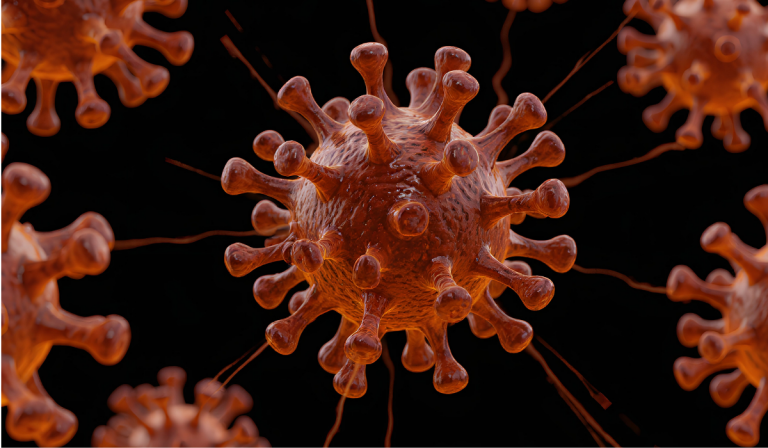
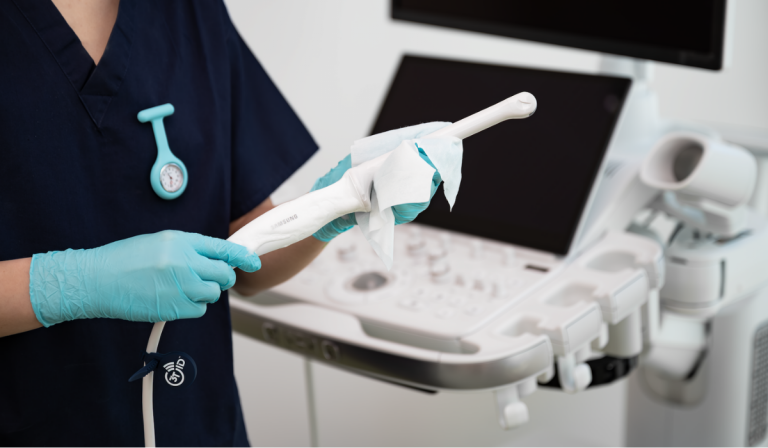
Follow-up findings show that combining barrier protection with chlorine dioxide high-level disinfection reduced HPV detection on ultrasound probes to zero.
Reference: Transvaginal ultrasound probe contamination by the human papillomavirus in the emergency department
Can high risk HPV survive on medical devices after disinfection?
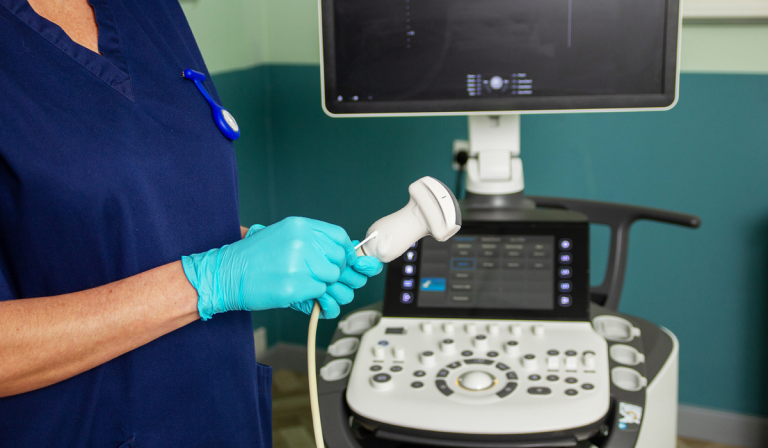
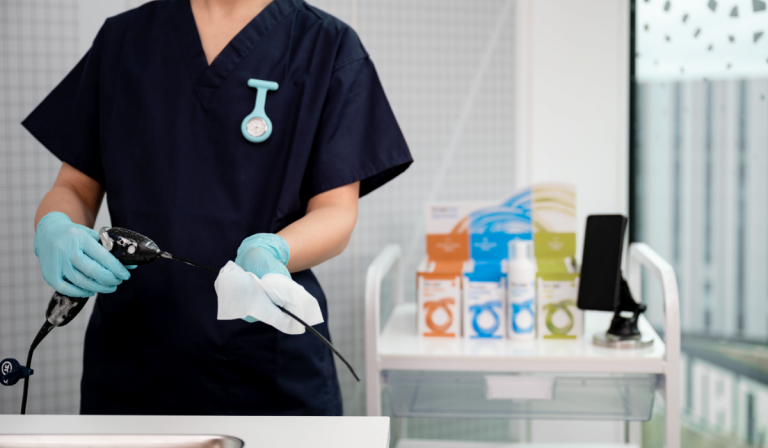
This study shows that chlorine dioxide can effectively inactivate native HPV 16 and 18 on ultrasound probes and nasendoscopes, even under realistic clinical conditions.
Reference: The ability of two chlorine dioxide chemistries to inactivate humanpapillomavirus‐contaminated endocavitary ultrasound probes and nasendoscopes
Infection Control, Transmission & Clinical Outcomes
Outbreaks, transmission pathways, and large-scale infection prevention impact
How can a high-level disinfection protocol ensure effective disinfection of reusable ophthalmic equipment?
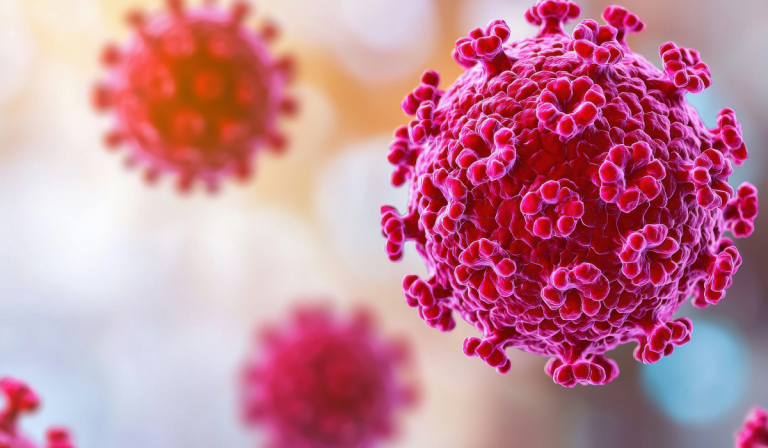
This study highlights how an adenovirus outbreak in a neonatal intensive care unit (NICU) was linked to contamination of reusable ophthalmic equipment, demonstrating the importance of appropriate disinfection practices.
Reference: Outbreak of adenovirus D8 in a neonatal intensive care unit involving multiple simultaneous transmission pathways
Can proactive infection control prevent hospital outbreaks?
This study shows that targeted infection control measures can dramatically reduce outbreak rates, achieving significantly lower incidence compared to other hospitals over five years.
Reference: Effect of proactive infection control measures on benchmarked rate of hospital outbreaks- An analysis of public hospitals in Hong Kong over 5 years
How do infections spread in high-risk hospital environments?
This study investigates a bloodstream infection outbreak in an obstetric ward, exploring how transmission can occur through environmental contamination, equipment, and clinical practices, and the role of monitoring and infection control measures in stopping its spread.
Reference:Outbreak investigation of Serratia marcescens bloodstream infection in an obstetric ward for high-risk pregnant women
Technology, Safety & Operational Efficiency
Innovation, workflow improvements, safety and new disinfection technologies
Can high-level disinfection (HLD) be faster and more efficient?
Data presented at a global conference showed that HLD foam enables safe, rapid ultrasound probe reprocessing while reducing delays and equipment damage.
Reference: Implementing a new method of high-level disinfection foam for ultrasound probes
Is cold sterilisation fast and effective for complex devices?
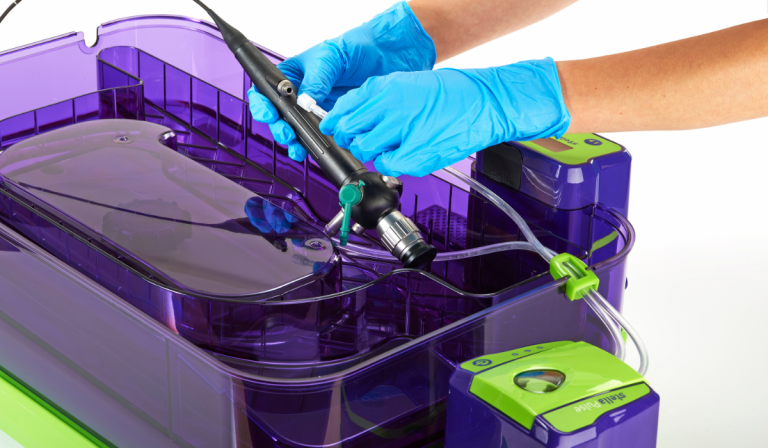
This study shows that the Stella 5L system can completely eliminate microbial contamination from confocal miniprobes in just five minutes.
Reference: Is the Stella 5L system an effective cold sterilization technique for needle-based confocal miniprobes
Is there a better approach to high-level disinfection?
This review explores how chlorine dioxide performs against established systems, highlighting differences in cost, efficiency and usability across healthcare settings.
Reference:Pros and Cons for Adopting a Novel High-Level Disinfection Technology
Is chlorine dioxide safe for healthcare workers to use?
This study shows that airborne exposure during wipe-based disinfection remains well below occupational safety limits, confirming safe use in clinical environments.
Reference:Assessment of occupational exposure to airborne chlorine dioxide of healthcare workers using impregnated wipes during high-level disinfection of non-lumened flexible nasoendoscopes