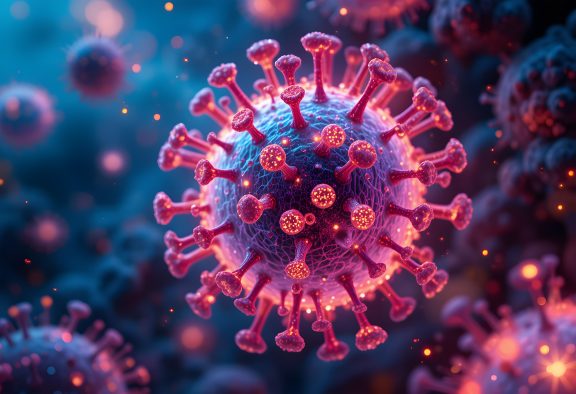


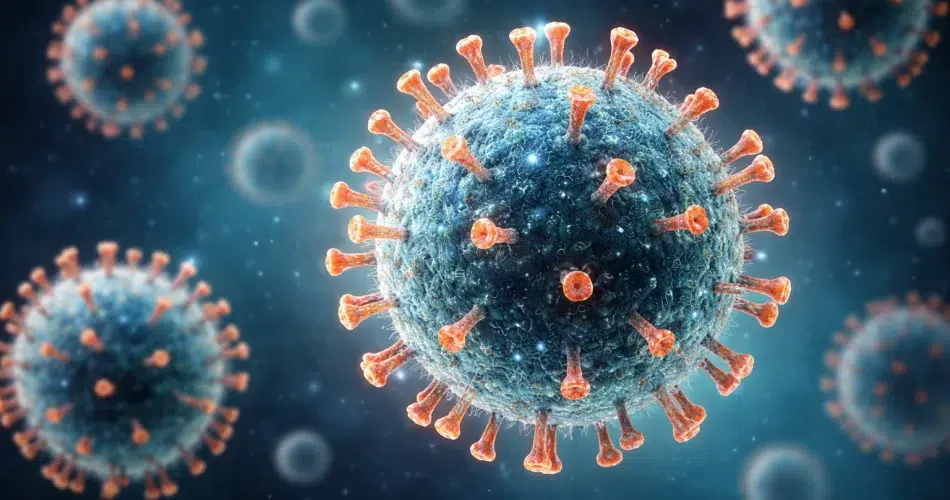
Nipah virus is an enveloped, zoonotic RNA virus belonging to the genus Henipavirus within the Paramyxoviridae family. It is recognised by the World Health Organization as an emerging high‑consequence pathogen, capable of causing severe respiratory disease, encephalitis (inflammation of the brain), and rapid‑onset outbreaks with high fatality rates.
Where Is Nipah Virus Found?
Nipah virus is naturally carried by fruit bats (of the Pteropodidae Family), which act as the primary reservoir. Human cases occur mainly in South and Southeast Asia, including Malaysia, Bangladesh, and India, where bats, animals, and humans share ecosystems.
Spillover occurs through:
- Contact with infected bats or pigs (secretions, excretions, tissues).
- Consumption of food contaminated by bat saliva or urine (e.g., raw date palm sap, partially eaten fruit).
Did you Know? Within healthcare environments, Nipah virus can contaminate surfaces, equipment, and patient surroundings via respiratory secretions and other body fluids.
What Does Nipah Virus Cause?
Nipah virus infection in humans can present as:
- Acute fever and headache
- Respiratory symptoms, including cough, dyspnoea and acute respiratory distress
- Neurological disease, ranging from confusion and seizures to severe encephalitis
Illness can progress rapidly, and case fatality rates have ranged from 40–75% in documented outbreaks. Some survivors may experience long‑term neurological effects such as seizures or personality changes.
How is Nipah Virus Transmitted?
Nipah virus spreads via several routes:
Zoonotic Transmission
- Direct contact with infected bats, pigs, or other intermediate hosts
- Consumption of foods contaminated by infected bat secretions
Human-to-Human Transmission
- Close contact with respiratory droplets, saliva, blood, or body fluids
- Transmission in healthcare settings during patient care has been well documented
Environmental / Fomite Transmission
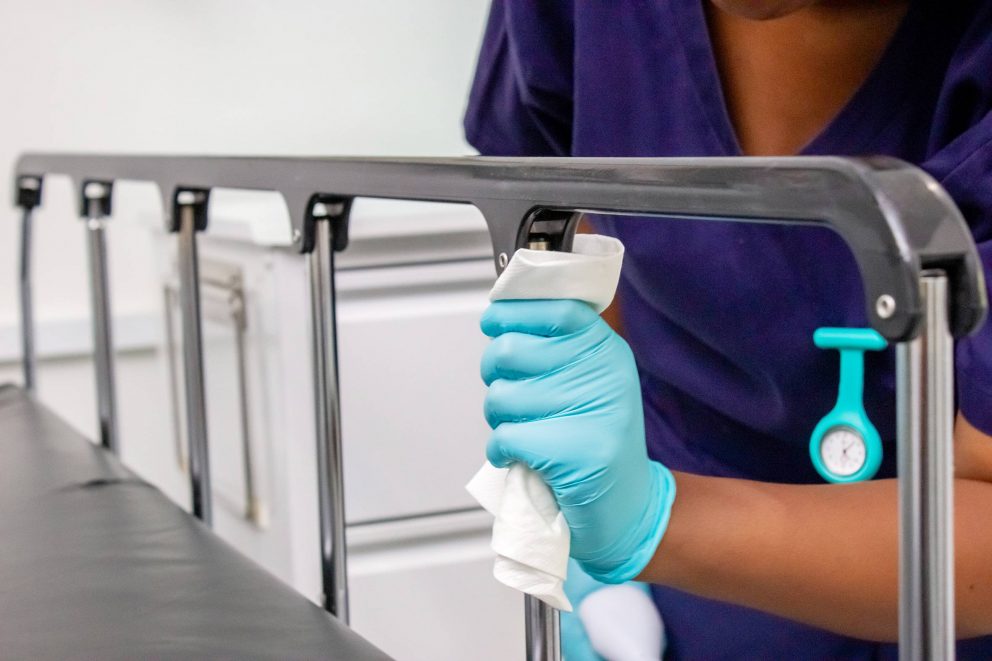
- Contact with contaminated surfaces or equipment, followed by touching the eyes, nose, or mouth
- Although environmentally fragile compared to many non‑enveloped viruses, Nipah can survive for minutes to around an hour, supporting short‑term indirect spread

Why is Nipah Virus a Microbial Threat?
Nipah virus is classified as a high‑consequence infectious disease (HCID) because:
- It causes severe, often fatal illness
- It demonstrates human‑to‑human transmission, including nosocomial spread
- Fruit bat reservoirs are widely distributed, making eradication unlikely
- Outbreaks can escalate rapidly in communities and healthcare settings
Did You Know? Nipah is listed as a WHO Priority Pathogen due to its epidemic potential and lack of licensed treatments such as vaccines or specific antivirals.
How Can You Prevent the spread of Nipah Virus?
Key infection prevention measures include:
- Rapid identification, isolation, and clinical management of suspected cases
- Standard and transmission‑based precautions (respirators as indicated, gloves, gowns, eye protection)
- Strict handling of body fluids and safe waste management
- Environmental hygiene, including:
Thorough Cleaning
Virucidal disinfection of high‑touch surfaces and shared medical equipment
Terminal cleaning following patient discharge
Community‑level prevention includes avoiding raw date palm sap, handling sick animals with caution, and minimising exposure to bat‑contaminated environments.
How Can You Defend Against Nipah Virus?
Virucidal disinfectants play a critical role in reducing environmental transmission of Nipah virus. As an enveloped virus, Nipah is less resistant to disinfectants than non‑enveloped viruses. This means that disinfectants with:
- Full Virucidal Activity (effective against non-enveloped and enveloped viruses),
- Limited Spectrum Virucidal Activity (effective against some non-enveloped and all enveloped viruses), and
- Activity Against Enveloped Viruses Only,
are all expected to be effective against Nipah virus when tested to relevant virucidal standards such as EN 14476, and, where required, EN 16777 or EN 17111.
However, the range of a disinfectant’s spectrum matters in healthcare settings where the environment may be contaminated with more than just viruses.
Did You Know? Broad-spectrum disinfectants, such as chlorine dioxide products, offer protection against multiple pathogen types at once — not only viruses but also bacteria, mycobacteria, bacterial spores, and fungi.
Using a robust, broad-spectrum virucidal disinfectant supports safer patient care, reduces the risk of environmental transmission, and strengthens infection prevention and control in high-risk clinical areas.
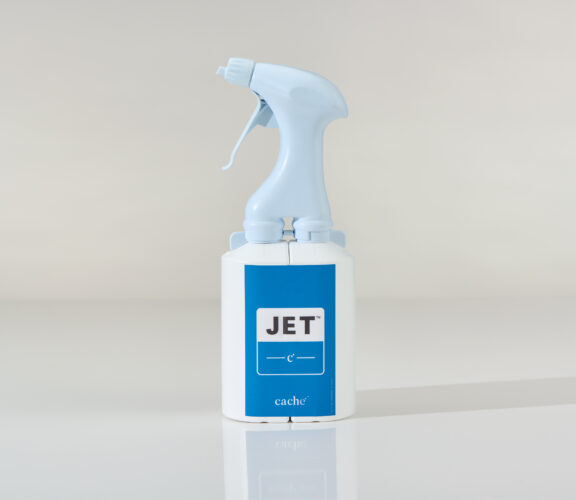
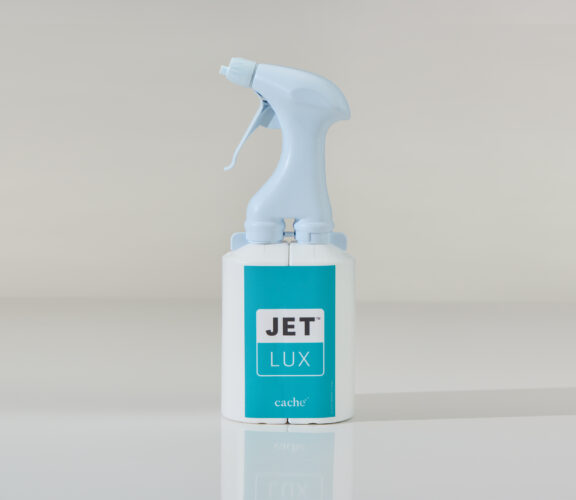
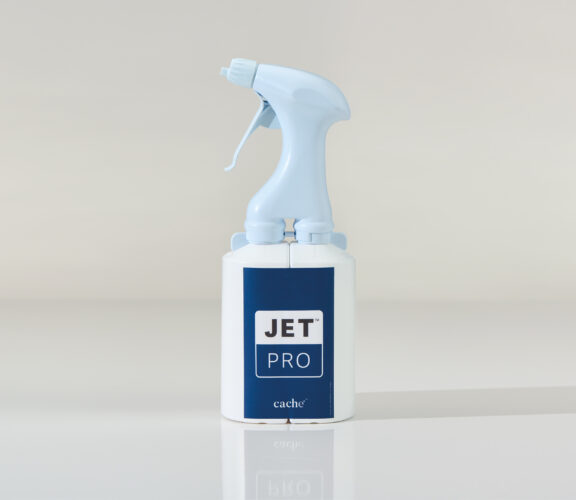
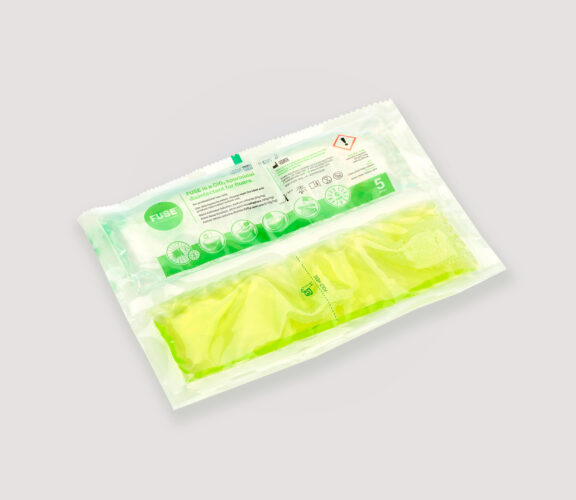
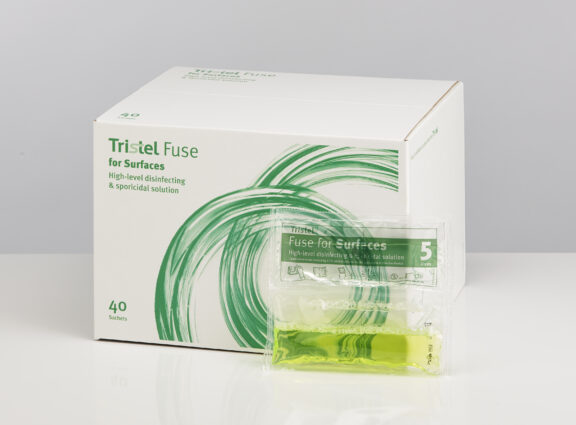
Meet our Surface Solutions

References:
1 World Health Organization (2024) Nipah virus infection. Available at: https://www.who.int/health-topics/nipah-virus-infection (Accessed: [03 Feb 2026]).
2 World Health Organization (2024) Nipah virus – Fact sheet. Available at: https://www.who.int/news-room/fact-sheets/detail/nipah-virus (Accessed: [03 Feb 2026]).
3 Centers for Disease Control and Prevention (2024) About Nipah virus. Available at: https://www.cdc.gov/nipah-virus/about/index.html (Accessed: [03 Feb 2026]).
No products found.