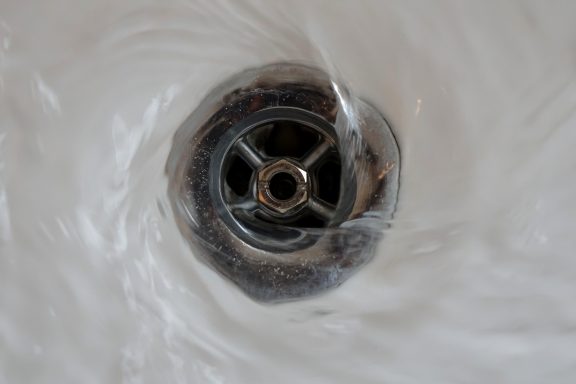
29th October 2026 IPC In Practice Out of Sight, Out of Mind? Understanding Seven Challenges in Healthcare Drain Disinfection IPC in Practice Seven challenges at a glance Tap a challenge to jump straight to it. 1·Hidden reservoir2·Splash zones3·Biofilms4·Resistance5·Hard to trace6·Current methods7·Proving it works Drains have long sat at the […]
4th August 2026 IPC In Practice Understanding Material Compatibility and Efficacy Validation: What You Should Know When selecting reprocessing solutions for your medical device, it is important to choose products that are both compatible and effective. Material compatibility ensures that the disinfectant and the device work […]
12th December 2025 IPC In Practice Understand European Norms: What They Mean for Disinfection Infection prevention is not just about choosing the right product, it’s about understanding the European Norms (EN standards) that define what “effective” really means. These internationally recognised benchmarks ensure that […]
1st November 2025 IPC In Practice The Importance of Cleaning prior to High-Level Disinfection In healthcare settings, high-level disinfection (HLD) is essential for patient safety, but its success depends on a critical first step: cleaning. This manual process removes visible soil and organic material, […]
1st November 2025 IPC In Practice Why Wiping Works: Understanding the Role of Pressure in Manual Disinfection Manual disinfection is a proven and effective method for disinfection. One important factor influencing its success is the pressure applied during the wiping process. EN 16615 is designed to evaluate […]
1st November 2025 IPC In Practice High-Level Disinfection: What, When and Why? High-level disinfection (HLD) is a process that eliminates all vegetative bacteria, mycobacteria, enveloped and non-enveloped viruses, fungi and some bacterial spores. What’s the difference between disinfection and sterilisation? Required Level […]
1st November 2025 IPC In Practice The Hidden Risks in Infection Prevention Infection prevention and control protocols are essential for safety, but it’s important to recognise that gaps and risks can exist. Addressing these helps ensure strong compliance, reliable protection, and confidence […]
1st November 2025 IPC In Practice Healthcare Associated Infections (HAIs) in Focus: Causes, Risks and Prevention Strategies Healthcare Associated Infections (HAIs) are defined by the NHS as infections which are developed either as a result of healthcare interventions (e.g. medical or surgical treatments), or from being in […]
25th July 2025 IPC In Practice Understanding Sporicidal Claims: What You Should Know In healthcare, the ability of a disinfectant to eliminate spores, especially Clostridioides difficile, is critical. Bacterial endospores are among the most resilient forms of microbial life, and their persistence in […]
12th May 2025 IPC In Practice We’ve passed EN 17846! What is EN 17846 and why is it important? EN 17846 is a European Standard that specifies the test method and requirements for evaluating the sporicidal activity of chemical disinfectant […]
29th January 2025 IPC In Practice The Fight Against Antimicrobial Resistance: Disinfect Responsibly Fighting antimicrobial resistance (AMR) is critical for our global health. This article highlights the importance of implementing effective disinfection practices to prevent the spread of resistant bacteria. Discover how innovative […]
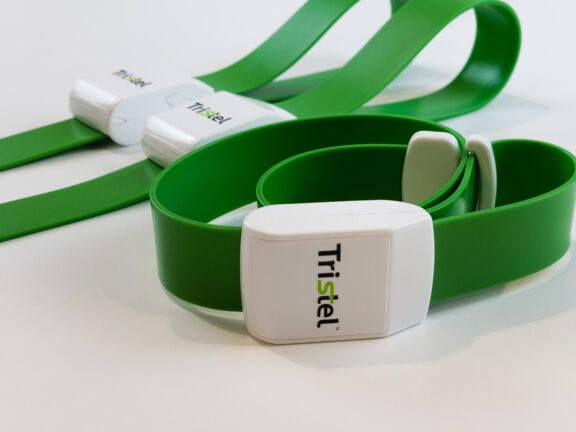
15th July 2024 IPC In Practice Reusable daisygrip Tourniquets: Their Impact on Patients, Planet and Public Purse Sandwell and West Birmingham NHS Trust has initiated a transition from single-use to daisygrip, a reusable tourniquets, evaluating the impact on patients, the environment, and healthcare costs. Read Full Article […]
Subscribe Today & Keep Up-to-date Get the latest innovations, product updates, and expert insights delivered straight to your inbox!